Temple Of Hatshepsut: The Majestic Legacy of Egypt’s Female Pharaoh
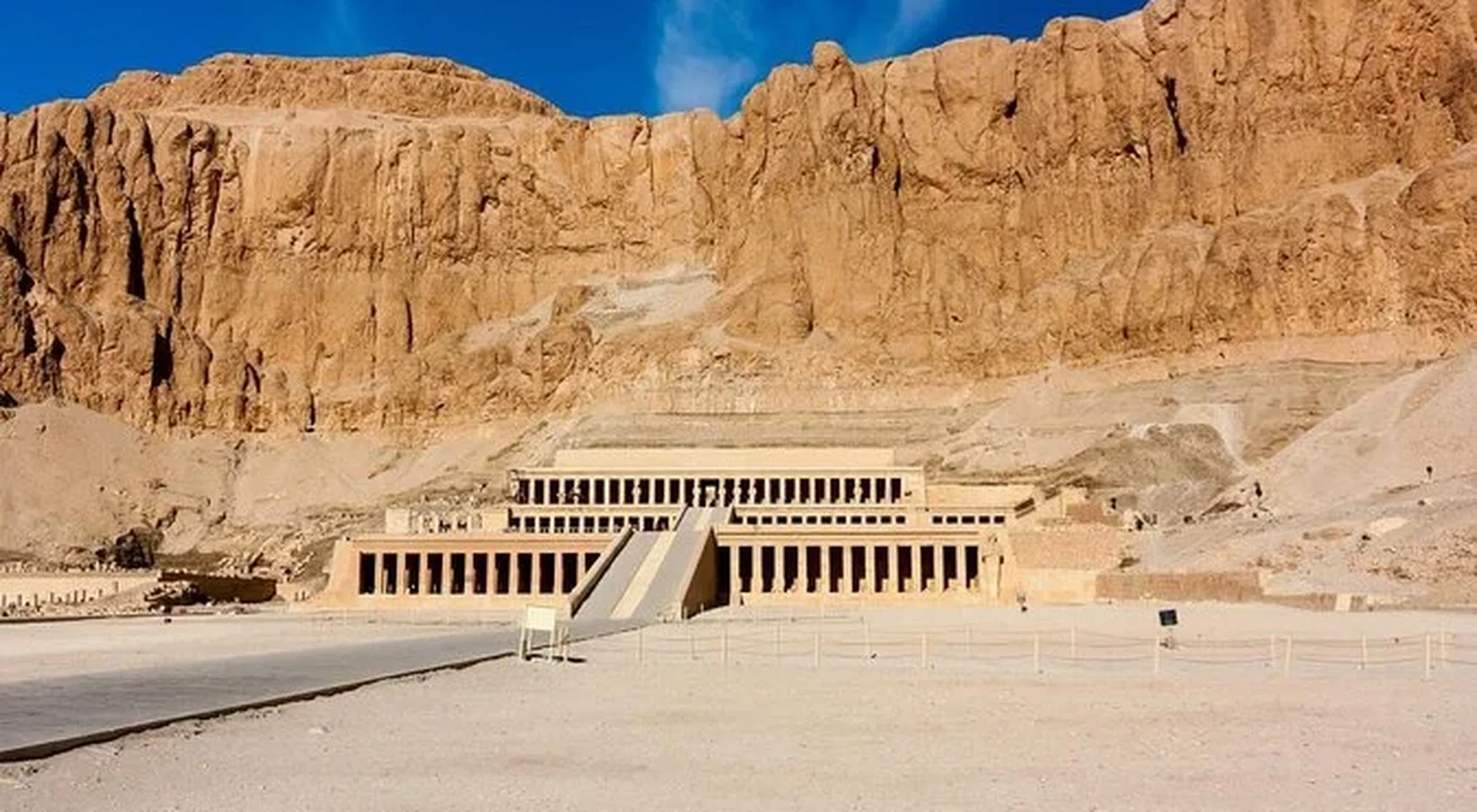
Nestled against the dramatic cliffs of Deir el-Bahari in Luxor’s West Bank, the Temple of Hatshepsut stands as one of ancient Egypt’s most captivating monuments. This architectural marvel, built for Egypt’s most successful female pharaoh, Queen Hatshepsut, is a testament to her reign’s ambition, vision, and artistry. Whether you’re a history enthusiast, an architecture lover, or a traveler seeking unforgettable experiences, the Temple of Hatshepsut promises awe-inspiring moments and a deep dive into Egypt’s golden age.
The History and Significance of the Temple of Hatshepsut
The Temple of Hatshepsut, also known as Djeser-Djeseru (“Holy of Holies”), was constructed in the 15th century BCE during the New Kingdom’s 18th Dynasty. Designed by the royal architect Senenmut, the temple was dedicated to Amun-Ra, the sun god, and served as a mortuary temple for Hatshepsut herself. Its unique terraced design, colonnaded facades, and harmonious integration with the surrounding cliffs set it apart from other temples of its era.
For those interested in exploring more about Egypt’s temple architecture, the The Temple Of Seti in Abydos offers another fascinating glimpse into ancient religious practices and royal commemoration.
Queen Hatshepsut: Egypt’s Trailblazing Female Pharaoh
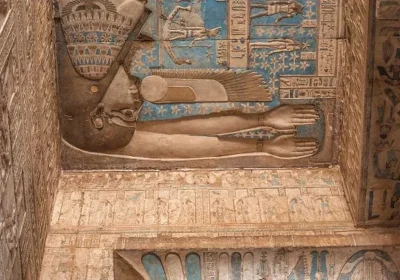
Hatshepsut’s reign is remarkable not only for its prosperity but also for her bold decision to rule as pharaoh in a male-dominated world. She adopted the full regalia of a king, including the ceremonial beard, and commissioned grand building projects across Egypt. Her temple at Deir el-Bahari immortalizes her legacy, with reliefs depicting her divine birth, trading expeditions to Punt, and her devotion to the gods.
For travelers curious about what makes Egypt such a compelling destination, Why Should I Visit Egypt provides deeper insights into the country’s unique blend of history, culture, and adventure.
Architectural Marvels: Design and Layout of the Temple
The Temple of Hatshepsut is celebrated for its innovative design. Built into the limestone cliffs, the structure features three massive terraces connected by long ramps. Each terrace is lined with elegant colonnades, and the temple’s symmetry and proportions reflect the height of ancient Egyptian architectural achievement. Visitors can explore a series of chapels, shrines, and sanctuaries, including those dedicated to Hathor, Anubis, and Amun-Ra.
Architecture enthusiasts will find similarities and contrasts with other temples along the Nile, such as the Kom Ombo Temple, which is unique for its double dedication to two gods and its riverside setting.
What to Expect When Visiting the Temple of Hatshepsut
Arriving at the Temple of Hatshepsut, visitors are greeted by its grand, ascending terraces and the dramatic backdrop of rugged cliffs. Early morning is the best time to visit, as the soft sunlight illuminates the temple’s limestone façade and the crowds are thinner. The site is well-maintained, with clear pathways and informative signage. Guided tours are available, offering expert insights into the temple’s history, symbolism, and restoration efforts.
If you’re planning a trip that includes multiple ancient sites, consider exploring the Temple Of Horus at Edfu, renowned for its impressive preservation and intricate hieroglyphics.
Nearby Attractions: Exploring Luxor’s West Bank
The Temple of Hatshepsut is just one highlight among many on Luxor’s West Bank. Within a short drive, you’ll find the Valley of the Kings, where Tutankhamun and other pharaohs were entombed, and the Valley of the Queens. Medinet Habu, the mortuary temple of Ramesses III, and the Colossi of Memnon are also nearby, making the area a paradise for history lovers.
For those with a keen interest in temple architecture, don’t miss the Edfu Temple, a Ptolemaic masterpiece dedicated to the falcon god Horus, which is often included in Nile cruise itineraries.
Tips for Planning Your Hatshepsut Temple Visit
To make the most of your visit, wear comfortable shoes and bring water, as the site involves walking and can get hot, especially in summer. Photography is allowed, but flash is prohibited inside certain areas to protect ancient pigments. Many travelers combine their visit to the temple with other West Bank sites on a single day tour for convenience and value.
If you’re considering a comprehensive travel experience, the 06 Days Egypt Tour is an excellent way to explore Egypt’s highlights, including Luxor’s iconic temples and tombs.
Luxury and Honeymoon Experiences in Luxor
For travelers seeking a more exclusive or romantic adventure, Luxor offers a range of luxury and honeymoon experiences. Private guided tours, luxury accommodations overlooking the Nile, and personalized itineraries ensure a memorable stay. Couples can enjoy sunset felucca rides, spa treatments, and candlelit dinners amid ancient ruins.
Discover curated options with Luxury Egypt Tours for an upscale journey, or browse Honeymoon Egypt Tours for romantic packages tailored to newlyweds and couples.
Nile Cruises: Combining Hatshepsut’s Temple with River Journeys
One of the most enchanting ways to experience Egypt’s ancient wonders is by taking a Nile cruise. These cruises typically include stops at Luxor, Edfu, Kom Ombo, and Aswan, offering seamless access to temples and tombs along the river. The tranquil pace and luxurious amenities make Nile cruising a favorite among travelers seeking both adventure and relaxation.
For a premium river journey, the Le Fayan Nile Cruise combines modern comfort with access to Egypt’s most iconic sites, including the Temple of Hatshepsut.
Practical Travel Information for Visiting Egypt
Before traveling to Egypt, it’s essential to consider practical matters such as currency, safety, and booking logistics. The official currency is the Egyptian Pound (EGP), and cash is widely used, especially at archaeological sites and local markets. While Egypt is generally safe for tourists, it’s wise to stay updated on travel advisories and follow local guidance.
For more on currency and money matters, visit What Is The Currency Of Egypt?, and for up-to-date safety tips, check Egypt Travel Safety.
Early booking is recommended, especially during peak seasons. For insider advice on securing the best deals and experiences, read Egypt Travel Booking Tips.
Custom Tours and Day Excursions in Egypt
Egypt offers a variety of day tours and custom packages, allowing travelers to tailor their experiences to their interests and schedules. Whether you want to focus on ancient history, natural wonders, or adventure activities, there’s a tour for every taste. From desert safaris to Red Sea excursions, the options are nearly endless.
For those seeking a luxurious, private experience, the 5 Days Luxury Private Tour Egypt provides an intimate journey through Egypt’s most famous sites, including the Temple of Hatshepsut.
And if you’re looking to mix cultural exploration with leisure, the Tiran Island Boat Trip offers a refreshing escape to the Red Sea’s crystal-clear waters—perfect for snorkeling and relaxation after days of temple hopping.
Frequently Asked Questions
What makes the Temple of Hatshepsut unique compared to other Egyptian temples?
The Temple of Hatshepsut stands out for its innovative terraced design, harmonious integration with the surrounding cliffs, and the story of Egypt’s most famous female pharaoh. Its reliefs and architecture reflect both religious devotion and royal propaganda, making it a highlight of ancient Egyptian art and engineering.
How much time should I allocate to visit the Temple of Hatshepsut?
Most visitors spend 1.5 to 2 hours exploring the temple, including time for photographs and reading informational displays. If you plan to visit other West Bank attractions on the same day, consider allocating a half or full day for the area.
Can I visit the Temple of Hatshepsut as part of a Nile cruise itinerary?
Yes, many Nile cruises include Luxor’s West Bank and the Temple of Hatshepsut as a key stop. This allows you to explore the temple comfortably while enjoying the amenities and convenience of river travel.
What is the best time of day to visit the Temple of Hatshepsut?
Early morning is ideal for visiting the temple, as temperatures are cooler and crowds are smaller. The soft morning light also enhances the beauty of the temple’s limestone terraces.
Are there guided tours available at the Temple of Hatshepsut?
Yes, guided tours are available and highly recommended. Knowledgeable guides provide fascinating insights into the temple’s history, art, and restoration, enriching your visit with context and stories you might otherwise miss.
What other temples should I visit while in Egypt?
In addition to the Temple of Hatshepsut, consider visiting the Temple of Seti in Abydos, Kom Ombo Temple, Temple of Horus at Edfu, and Edfu Temple. Each offers a unique perspective on Egypt’s religious and architectural heritage.