What Is The Currency Of Egypt? A Complete Guide for Travelers
Egypt, the land of the pharaohs, pyramids, and the mighty Nile, is a dream destination for many travelers. Whether you’re planning to explore the bustling streets of Cairo, relax on the beaches of the Red Sea, or marvel at ancient temples in Luxor and Aswan, understanding the local currency is essential for a smooth and enjoyable trip. This comprehensive guide covers everything you need to know about the currency of Egypt, including its history, denominations, tips for exchanging money, using ATMs, and practical advice for handling your finances while visiting this fascinating country.
The Egyptian Pound: An Overview
The official currency of Egypt is the Egyptian Pound, commonly abbreviated as EGP and locally known as the “Geneih” (جنيه) in Arabic. Its symbol is £ or sometimes LE, which stands for “Livre Egyptienne,” a nod to its French colonial past. One Egyptian Pound is subdivided into 100 piastres, known as “qirsh” (قرش) in Arabic. The Egyptian Pound is the only legal tender for all transactions in Egypt, making it essential for travelers to become familiar with its denominations and usage.
History and Evolution of Egyptian Currency
The history of currency in Egypt is as rich as its ancient civilization. Before the introduction of the Egyptian Pound in 1834, Egypt used a variety of currencies, including gold and silver coins. The Egyptian Pound replaced the piastre as the main unit of currency in the 19th century, although the piastre remains in use as a subunit. Over time, the currency has evolved, reflecting Egypt’s complex history, including periods of British and French influence. Today, the Central Bank of Egypt is responsible for issuing and regulating the currency, ensuring its stability and security.
Banknotes and Coins: Denominations Explained
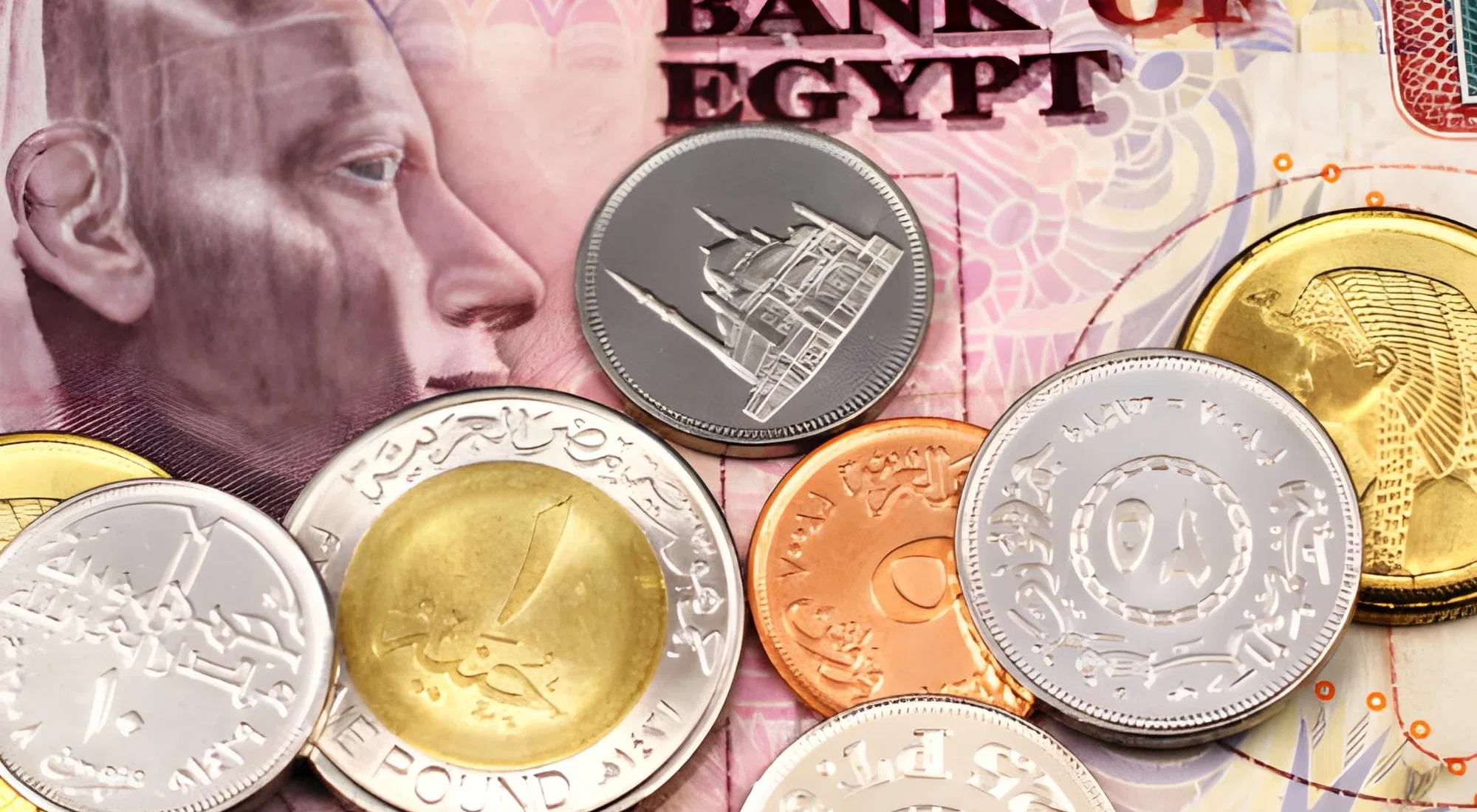
Travelers to Egypt will encounter a variety of banknotes and coins. Banknotes are available in denominations of 1, 5, 10, 20, 50, 100, and 200 pounds. Coins, although less commonly used, come in values of 25 and 50 piastres and 1 pound. The design of Egyptian currency often features prominent national symbols, historical figures, and iconic monuments such as the Mosque of Muhammad Ali and the Pyramids of Giza. Visitors should familiarize themselves with these denominations to avoid confusion, especially when dealing with small change in markets and taxis.
Exchanging Money in Egypt: Where and How
Exchanging money in Egypt is straightforward, with numerous options available to travelers. Major airports, banks, and official exchange bureaus offer currency exchange services. It is advisable to exchange money at reputable institutions to ensure fair rates and avoid counterfeit notes. While some hotels and shops may accept foreign currencies like US dollars or euros, transactions are generally conducted in Egyptian Pounds. It’s a good idea to carry small denominations for everyday purchases, as change can sometimes be scarce, especially in rural areas or small businesses.
Using ATMs and Credit Cards in Egypt
ATMs are widely available in Egypt’s major cities and tourist destinations, making it easy for visitors to withdraw Egyptian Pounds directly from their home bank accounts. Most ATMs accept international cards such as Visa, Mastercard, and Maestro. However, it’s important to notify your bank of your travel plans to prevent any issues with card usage abroad. Credit cards are accepted at many hotels, restaurants, and larger shops, but cash remains king in local markets, small eateries, and for tipping. Always keep some cash on hand, especially when venturing off the beaten path.
Currency Exchange Rates and Budgeting Tips
The exchange rate for the Egyptian Pound can fluctuate due to economic factors, so it’s wise to check the current rate before your trip. Online tools and currency converter apps can help you stay updated. When budgeting for your trip, keep in mind that Egypt is generally an affordable destination, with costs varying depending on your travel style. Bargaining is common in markets and with taxi drivers, so having a good understanding of local prices can help you avoid overpaying. Always count your change carefully and be polite but firm when negotiating prices.
Handling Counterfeit Notes and Security Precautions
While Egypt is generally safe for tourists, counterfeit currency does exist. Familiarize yourself with the look and feel of genuine banknotes—real notes have distinctive watermarks, security threads, and raised printing. Avoid exchanging money on the street or with unofficial vendors. If you suspect you’ve received a counterfeit note, try to return it immediately or report it to the nearest bank or police station. Additionally, keep your cash secure by using a money belt or hotel safe, and avoid carrying large sums when exploring crowded areas.
Tipping Culture and Everyday Transactions
Tipping, or “baksheesh,” is an integral part of Egyptian culture. It is customary to tip service workers such as hotel staff, guides, drivers, and restaurant servers. Small denominations of Egyptian Pounds are especially useful for tipping, as well as for everyday purchases like bottled water, snacks, and souvenirs. When shopping in markets or using local transport, cash is preferred, and it’s helpful to carry change to avoid overpaying. Understanding the local customs around tipping will enhance your travel experience and help you build positive interactions with locals.
Bringing Money Into and Out of Egypt
There are regulations regarding the amount of currency you can bring into and out of Egypt. Travelers are allowed to bring up to 5,000 Egyptian Pounds in cash, and up to $10,000 (or equivalent) in foreign currency without declaration. Larger amounts must be declared to customs officials upon arrival or departure. It’s important to adhere to these rules to avoid fines or confiscation. When leaving Egypt, it’s advisable to spend or exchange any leftover Egyptian Pounds, as the currency is not widely accepted or easily exchanged outside the country.
Frequently Asked Questions
What is the official currency of Egypt?
The official currency of Egypt is the Egyptian Pound, abbreviated as EGP and locally known as “Geneih.” It is the only legal tender for all transactions within the country.
Can I use US dollars or euros in Egypt?
While some hotels and tourist shops may accept US dollars or euros, most transactions in Egypt are conducted in Egyptian Pounds. It’s best to exchange your money for local currency for everyday purchases and services.
Are credit cards widely accepted in Egypt?
Credit cards are accepted at many hotels, restaurants, and larger shops in major cities and tourist areas. However, cash is preferred in local markets, small businesses, and for tipping. Always carry some cash for convenience.
Where can I exchange money in Egypt?
You can exchange money at airports, banks, and official exchange bureaus throughout Egypt. It’s recommended to use reputable institutions to ensure fair rates and avoid counterfeit notes.
What should I do if I receive a counterfeit note?
If you suspect you have received a counterfeit note, try to return it immediately or report it to the nearest bank or police station. Familiarize yourself with the security features of Egyptian banknotes to avoid accepting fake currency.
Is it necessary to tip in Egypt?
Yes, tipping is an important part of Egyptian culture. It is customary to tip service workers such as hotel staff, guides, and restaurant servers. Carry small denominations of Egyptian Pounds for this purpose.