Kom Ombo Temple: Egypt’s Unique Dual Sanctuary on the Nile
Rising dramatically on a bend of the Nile between Aswan and Edfu, Kom Ombo Temple is one of Egypt’s most intriguing and picturesque ancient sites. Unlike any other temple in the country, Kom Ombo is dedicated to two sets of gods and features a rare double design, making it a must-see for history lovers, culture seekers, and Nile cruise travelers alike. This comprehensive guide will reveal the temple’s fascinating history, its architectural marvels, what to expect on your visit, and how to make the most of your journey to this riverside wonder.
The History and Significance of Kom Ombo Temple
Kom Ombo Temple was constructed during the Ptolemaic dynasty, primarily between 180 and 47 BCE, though additions continued into Roman times. What sets it apart is its dual dedication: one half honors Sobek, the crocodile god of fertility and the Nile, while the other is devoted to Haroeris (Horus the Elder), the falcon-headed god of the sky and kingship. This unique configuration reflects the ancient Egyptians’ desire to appease both deities, especially given the dangers posed by Nile crocodiles in this region.
The temple’s location on a high sandy bank provided a strategic vantage point, both for spiritual rituals and as a protective measure against flooding. Its reliefs and carvings offer rare insights into ancient Egyptian medicine, religious practices, and daily life, making it an invaluable archaeological site.
If you’re interested in experiencing more of Egypt’s ancient wonders, consider exploring the The Temple Of Seti, which boasts equally rich history and artistry.
Architectural Marvels: The Double Temple Design
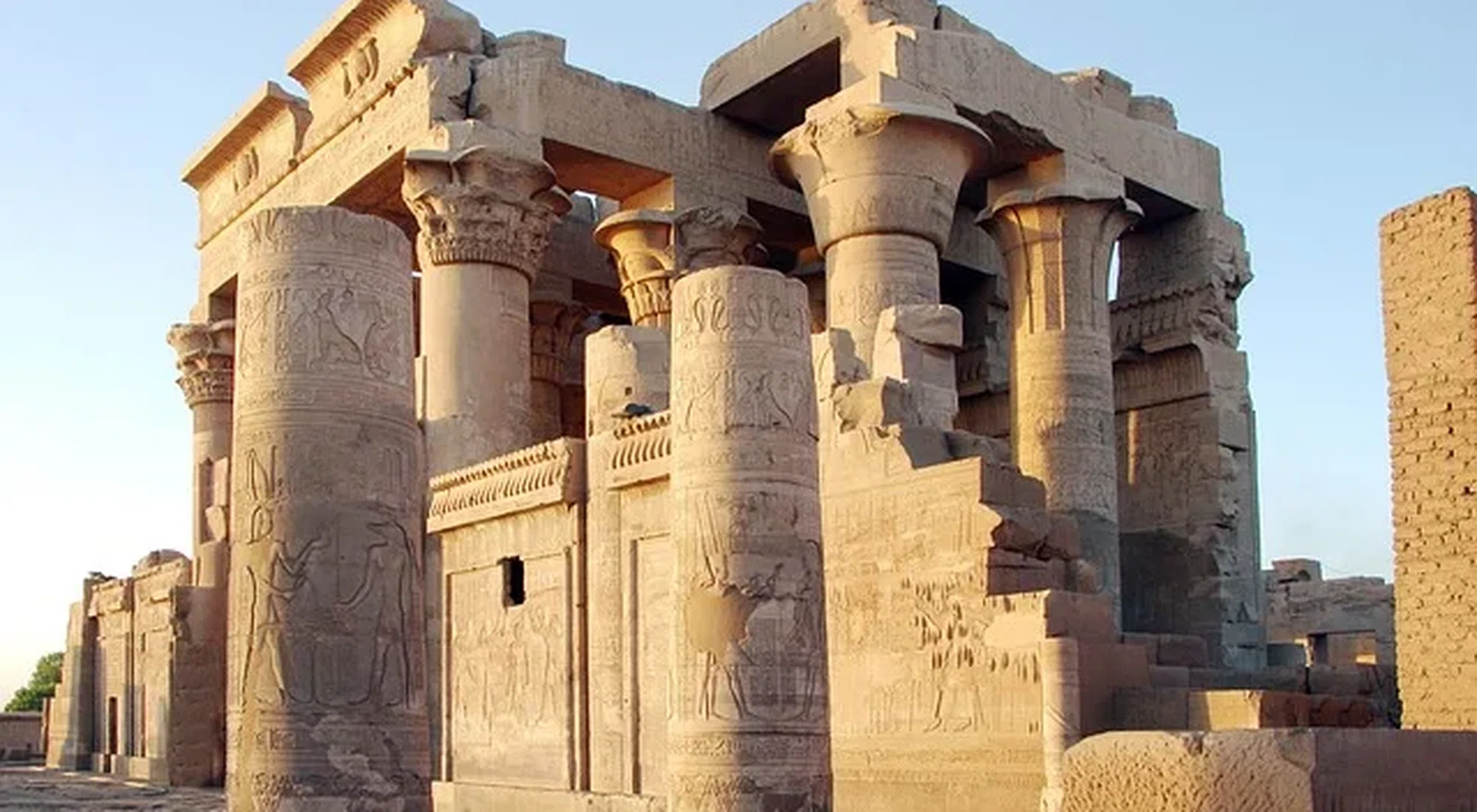
Kom Ombo’s symmetrical layout is its most distinctive feature. The temple is essentially split down the middle, with mirror-image sanctuaries, halls, and courts for each set of gods. Each side has its own dedicated entrances, chapels, and sacred spaces, allowing priests to conduct rituals for Sobek and Haroeris simultaneously, without interference.
The temple’s reliefs depict various scenes, from medical instruments and surgical procedures to offerings and mythological tales. The hypostyle hall, with its towering columns and intricate capitals, is particularly impressive. Look for the famous relief showing surgical tools—one of the earliest depictions of medical instruments in the ancient world.
For those who appreciate ancient Egyptian architecture, don’t miss the Ramesseum Temple, which is another masterpiece of design and history.
Highlights of a Visit: What Not to Miss
Kom Ombo Temple offers a wealth of experiences for visitors. Some highlights include:
- The Crocodile Museum, which displays mummified crocodiles and artifacts related to Sobek worship.
- The dual sanctuaries and their beautifully preserved reliefs.
- Panoramic views of the Nile from the temple grounds, especially at sunset.
- Detailed carvings illustrating medical practices and religious rituals.
For travelers seeking a deeper dive into Egypt’s temple circuit, the Abydos Temple is another essential stop, renowned for its spiritual significance and intricate carvings.
Getting to Kom Ombo: Nile Cruises and Day Trips
Kom Ombo is a popular stop on Nile cruises between Luxor and Aswan, making it easily accessible for those traveling by river. Many tours include a guided visit, allowing you to explore the temple’s highlights and learn about its history from an expert. Alternatively, you can reach Kom Ombo by road from Aswan (about 45 km north) or Edfu (about 60 km south).
For a truly memorable journey, consider booking the Farah Nile Cruise, which offers a luxurious way to experience the Nile’s iconic landmarks, including Kom Ombo.
Best Time to Visit and Practical Tips
The best time to visit Kom Ombo is during the cooler months, from October to April, when temperatures are pleasant for sightseeing. Early morning and late afternoon are ideal to avoid crowds and enjoy the golden light on the temple’s sandstone walls.
Wear comfortable shoes, bring sun protection, and carry water, as shade is limited. Modest clothing is recommended, especially if you plan to visit other religious sites on your trip.
For detailed advice on how to dress for your Egyptian adventure, check out What To Wear In Egypt for practical tips and cultural insights.
Pairing Kom Ombo with Other Ancient Temples
Many travelers combine a visit to Kom Ombo with other nearby temples for a richer historical experience. Edfu Temple, dedicated to Horus, is just a short cruise away and is one of Egypt’s best-preserved sanctuaries. Further north, you’ll find the Dendera and Abydos temples, both famous for their elaborate reliefs and mythological significance.
If you’re planning a temple-hopping itinerary, don’t overlook the Dandara Temple, which is renowned for its celestial ceiling and vibrant colors.
Tour Packages and Itineraries Featuring Kom Ombo
Kom Ombo is featured in many multi-day Egypt tour packages, often alongside Cairo, Luxor, and Aswan. These packages offer a seamless way to explore the country’s top highlights, with expert guides, comfortable accommodations, and hassle-free transportation included.
To find the perfect itinerary, explore the Top Egypt Tour Packages: Itineraries & Inclusions for inspiration and practical details.
For a focused adventure, consider the 07 Days Egypt Adventure Tour, which combines ancient wonders, Nile cruising, and vibrant local culture.
All-Inclusive and Seasonal Experiences
For travelers seeking a stress-free vacation, all-inclusive Egypt tours are a popular choice. These packages cover everything from accommodations and meals to guided excursions and transfers, allowing you to focus on the experience rather than the logistics.
Discover more about these options by visiting All Inclusive Egypt Tour, where you’ll find curated tours that include Kom Ombo and other top attractions.
If you’re planning a holiday getaway, Egypt Christmas Tours offer a magical way to celebrate the festive season surrounded by ancient wonders and warm hospitality.
Exploring Beyond the Nile: Day Tours and Adventure
While Kom Ombo is a highlight of any Nile journey, Egypt offers countless other adventures, from desert safaris to Red Sea snorkeling. Day tours are a fantastic way to sample the country’s diversity without committing to a long itinerary.
For an unforgettable experience that blends sea, desert, and culture, check out the Dahab & Blue Hole Adventure – Sea, Desert, and Culture in One Day, perfect for thrill-seekers and nature lovers alike.
Planning Your Egypt Journey: Cities, Activities, and More
Egypt is a land of endless discovery, with each city offering its own unique charm and attractions. From the bustling streets of Cairo to the tranquil temples of Upper Egypt, there’s something for every traveler’s taste.
For ideas on where to go and what to do, read Best Cities To Visit In Egypt for expert recommendations and hidden gems.
And to round out your itinerary, don’t miss the essential Things To Do In Egypt, which covers everything from ancient monuments to modern adventures.
If you’re interested in a comprehensive journey through Egypt’s highlights, including Kom Ombo, explore the Egypt Highlights: Cairo, Luxor, Aswan & Kom Ombo – 7 Days package for a well-rounded experience.
Frequently Asked Questions
What makes Kom Ombo Temple unique among Egyptian temples?
Kom Ombo Temple is unique because it is a dual temple dedicated to two sets of gods—Sobek and Haroeris—featuring a symmetrical, mirror-image design. This rare layout allowed priests to conduct rituals for both deities simultaneously, and it’s the only temple of its kind in Egypt.
How do I get to Kom Ombo Temple?
Most visitors reach Kom Ombo via Nile cruise, with the temple as a scheduled stop between Luxor and Aswan. You can also visit by road from Aswan (about 45 km) or Edfu (about 60 km). Guided tours are widely available and recommended for the best experience.
What are the opening hours and entrance fees for Kom Ombo Temple?
The temple is generally open daily from 9:00 AM to 5:00 PM, though hours may vary seasonally. Entrance fees are typically around 100–150 EGP for adults, with discounts for students and children. Always check for the latest information before your visit.
Is Kom Ombo suitable for families and children?
Yes, Kom Ombo is family-friendly. Children will enjoy the crocodile museum and the temple’s dramatic setting. However, be mindful of uneven surfaces and limited shade; bring water, hats, and sunscreen for comfort.
Can I combine Kom Ombo with other attractions in one trip?
Absolutely. Kom Ombo is often paired with Edfu Temple and other Nile-side attractions. Many tour packages and Nile cruises include stops at multiple temples, making it easy to see several highlights in one trip.
What should I wear when visiting Kom Ombo Temple?
Dress modestly and comfortably, with lightweight clothing that covers shoulders and knees. Comfortable walking shoes, a hat, and sunglasses are recommended. For more tips, see the guide on What To Wear In Egypt.