A Beginner’s Guide To Haggling In Egyptian Markets
Egyptian markets, or souks, are vibrant, bustling centers of commerce where tradition, culture, and commerce intertwine. For travelers, haggling isn’t just a shopping technique—it’s an essential part of the Egyptian experience. Whether you’re searching for souvenirs, spices, or handcrafted treasures, understanding the art of negotiation will not only help you secure the best deals but also immerse you in the local way of life. This comprehensive guide will walk you through everything you need to know about haggling in Egypt, from cultural etiquette to practical strategies, ensuring your market adventures are both successful and enjoyable.
Understanding the Culture of Haggling in Egypt
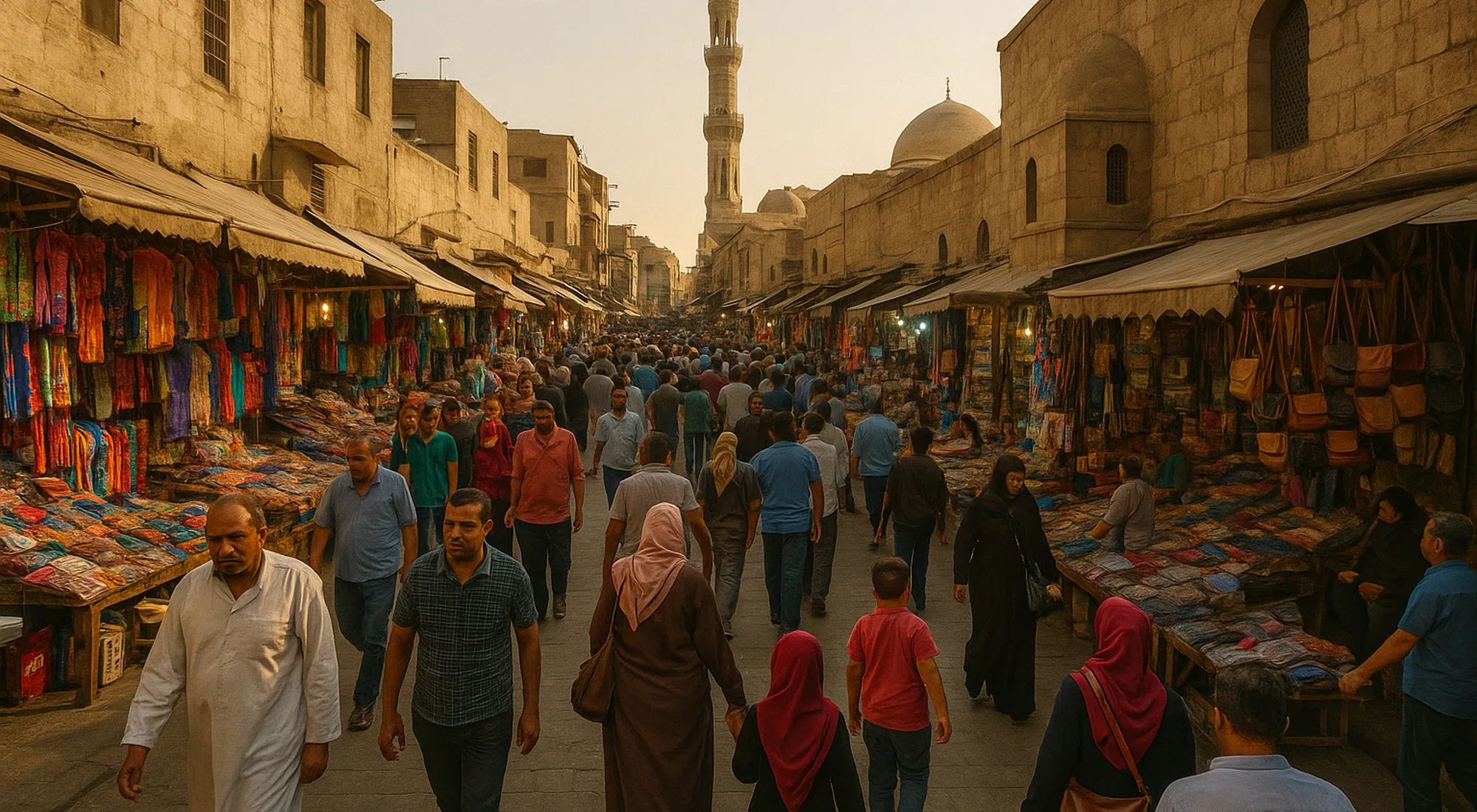
Haggling is deeply embedded in Egyptian culture, especially in the bustling bazaars of cities like Cairo, Luxor, and Aswan. Unlike fixed-price shopping in malls, Egyptian souks thrive on negotiation, and both buyers and sellers expect some friendly back-and-forth. For locals, haggling is a social interaction, an opportunity to connect, laugh, and even share stories. To truly appreciate the experience, it’s important to remember that haggling is not about confrontation but about building rapport and finding a mutually agreeable price.
If you’re exploring Cairo City, you’ll find some of the most famous markets, such as Khan El Khalili, where the energy and tradition of haggling come alive. Getting comfortable with negotiation can make your visit to these historic markets much more rewarding.
Where to Haggle: Famous Egyptian Markets
Egypt is renowned for its lively markets, each offering a unique atmosphere and selection of goods. In Cairo, Khan El Khalili is a must-visit, with its labyrinthine alleys filled with vendors selling everything from jewelry to lanterns. In Luxor and Aswan, vibrant souks showcase Nubian crafts and colorful textiles. Alexandria’s markets are famous for spices, perfumes, and antiques. Each market has its own character, but the spirit of haggling is universal across Egypt.
To make the most of your market visits, consider combining them with a cultural tour. For instance, after exploring the The Grand Egyptian Museum, you can stroll through nearby markets to hunt for unique keepsakes and practice your bargaining skills.
Essential Haggling Etiquette and Tips
Successful haggling in Egypt is about more than just price—it's a dance of politeness, humor, and respect. Start by greeting the vendor with a smile and a friendly “salaam alaikum.” Express interest in their goods, but never reveal how much you want something. Always let the seller quote the first price, then counter-offer with a significantly lower amount—usually about half. Expect some playful banter as you work towards a compromise. If the price isn’t right, don’t be afraid to walk away; often, the vendor will call you back with a better offer.
For more insights into navigating local customs and avoiding common pitfalls, read How To Choose A Reliable Tour Operators In Egypt And Avoid Scams for tips on dealing with vendors and guides alike.
What to Buy in Egyptian Markets
Egyptian markets are treasure troves of unique and authentic items. Popular purchases include hand-blown glass, brass lanterns, papyrus artwork, spices, perfumes, and traditional clothing like galabeyas. You’ll also find intricate jewelry, ceramics, and carpets. For those seeking a special memento, look for personalized cartouche necklaces or hand-painted boxes. Remember, the more you buy, the better your chances of negotiating a favorable price.
If you’re planning a romantic getaway, explore the offerings in the Honeymoon Egypt Tours category for curated experiences that include visits to local markets, perfect for picking up meaningful souvenirs together.
Combining Haggling with Sightseeing
Many of Egypt’s top attractions are located near bustling markets, allowing you to blend sightseeing with shopping. After marveling at ancient wonders, you can easily transition to the nearby souks for a taste of local life. For example, the area around the The Egyptian Museum Of Cairo is dotted with shops offering artifacts, books, and replicas. Similarly, a day spent exploring the The Great Pyramids Of Giza can be capped off with a visit to local stalls selling miniature pyramids and papyrus scrolls.
For a seamless experience, consider booking a guided excursion like the Ancient Egypt Tour: Pyramids, Sphinx, Saqqara & Memphis, which often includes time for shopping and haggling at traditional markets.
Market Safety and Avoiding Common Pitfalls
While Egyptian markets are generally safe, it’s wise to stay alert and take basic precautions. Keep your belongings secure, be wary of overly persistent vendors, and avoid flashing large amounts of cash. If a deal seems too good to be true, it probably is. Always inspect items for quality before purchasing, especially antiques and jewelry. Don’t feel pressured to buy—vendors expect negotiation and understand if you walk away.
For travelers from the US or elsewhere, learning about reputable travel companies can make your experience smoother and safer. Read Best Egypt Travel Companies For US Travelers: Safety, Service & Prices to find trusted partners who can help you navigate both markets and attractions with confidence.
Haggling on Guided Tours and Nile Cruises
Many travelers combine market visits with guided tours or Nile cruises. While some tours include stops at select shops with fixed prices, others allow free time for independent exploration and haggling. Guides can offer invaluable advice on negotiating and may even help you secure better deals. On a Nile cruise, you’ll often have the chance to visit markets in Luxor, Aswan, and Kom Ombo, each with its own specialties.
If you’re considering a luxury cruise, the Mayfair Nile Cruise offers curated shore excursions that blend sightseeing with shopping opportunities, letting you practice your haggling skills in a relaxed setting.
For those looking for an immersive journey, the 09 Days Egypt and Nubia Tour includes visits to vibrant markets along with cultural and historical highlights.
Planning Your Egyptian Market Adventure
To make the most of your Egyptian market experience, plan ahead. Research which markets specialize in the items you’re interested in, and set a budget before you go. Morning visits tend to be quieter, while evenings are livelier. Dress modestly, carry small bills for easier transactions, and bring a reusable bag for your purchases. If you’re traveling as part of a group or tour, coordinate with your guide to ensure you have ample time for shopping and haggling.
For comprehensive itineraries that include market visits, explore Egypt Travel Pacakges to find the perfect trip tailored to your interests. If you’re seeking a premium experience, the 11 Days Luxury Egypt Tour Package combines historical exploration with curated market excursions.
Expert Advice: Choosing the Right Travel Partners
Partnering with a reliable travel agency or tour operator can enhance your market adventures. Knowledgeable guides can introduce you to reputable vendors, help bridge language barriers, and provide cultural context for your interactions. When selecting a travel agency, look for those with strong local connections and positive reviews from past travelers.
To ensure a smooth experience, read How To Find The Best Travel Agency In Egypt for tips on choosing the right partner for your journey. For an overview of popular itineraries and what’s included, check out Top Egypt Tour Packages: Itineraries & Inclusions to help you plan a well-rounded trip that balances sightseeing, shopping, and cultural immersion.
Frequently Asked Questions
Is haggling expected in all Egyptian markets?
Yes, haggling is a common practice in most traditional markets and souks throughout Egypt. However, in some modern shops or government-run stores, prices may be fixed. If you’re unsure, observe other shoppers or politely ask the vendor if bargaining is appropriate.
What are the best times to visit Egyptian markets?
Markets are typically busiest in the late afternoon and evening, when locals and tourists alike come out to shop and socialize. For a quieter experience and potentially better deals, visit in the morning when vendors are eager to make their first sales of the day.
How can I avoid scams while shopping in Egypt?
Stick to reputable markets, inspect items carefully before purchasing, and be cautious of overly aggressive vendors. Traveling with a guide or booking with a trusted tour operator can help you avoid common pitfalls. For more tips, refer to resources on choosing reliable tour operators.
What should I do if I don’t agree with the vendor’s price?
If you can’t reach a price you’re comfortable with, it’s perfectly acceptable to thank the vendor and walk away. Often, this will prompt the seller to offer a better deal. If not, there are usually plenty of other vendors selling similar items nearby.
Can I use credit cards in Egyptian markets?
Most market transactions are conducted in cash, especially in smaller stalls. Larger shops in tourist areas may accept credit cards, but it’s best to carry small denominations of Egyptian pounds for haggling and easier transactions.
Are there any items I should avoid buying in Egyptian markets?
Be cautious when purchasing antiques, as exporting genuine antiquities is illegal. Stick to replicas, handicrafts, and locally produced goods. If buying jewelry, ensure it comes with proper certification. Avoid animal products or items made from endangered species.