How Is The Climate In Egypt?
Egypt, a land of timeless wonders and golden sands, has captivated travelers for centuries with its iconic monuments and vibrant culture. But before embarking on a journey to the land of the Pharaohs, understanding the climate is essential for a comfortable and unforgettable trip. Egypt’s climate is as diverse as its history, ranging from arid deserts to lush riverbanks, and each season offers a unique experience for explorers. Whether you dream of wandering through ancient temples, cruising the Nile, or relaxing by the Mediterranean, knowing what weather to expect will help you make the most of your Egyptian adventure.
The Geography Behind Egypt’s Climate
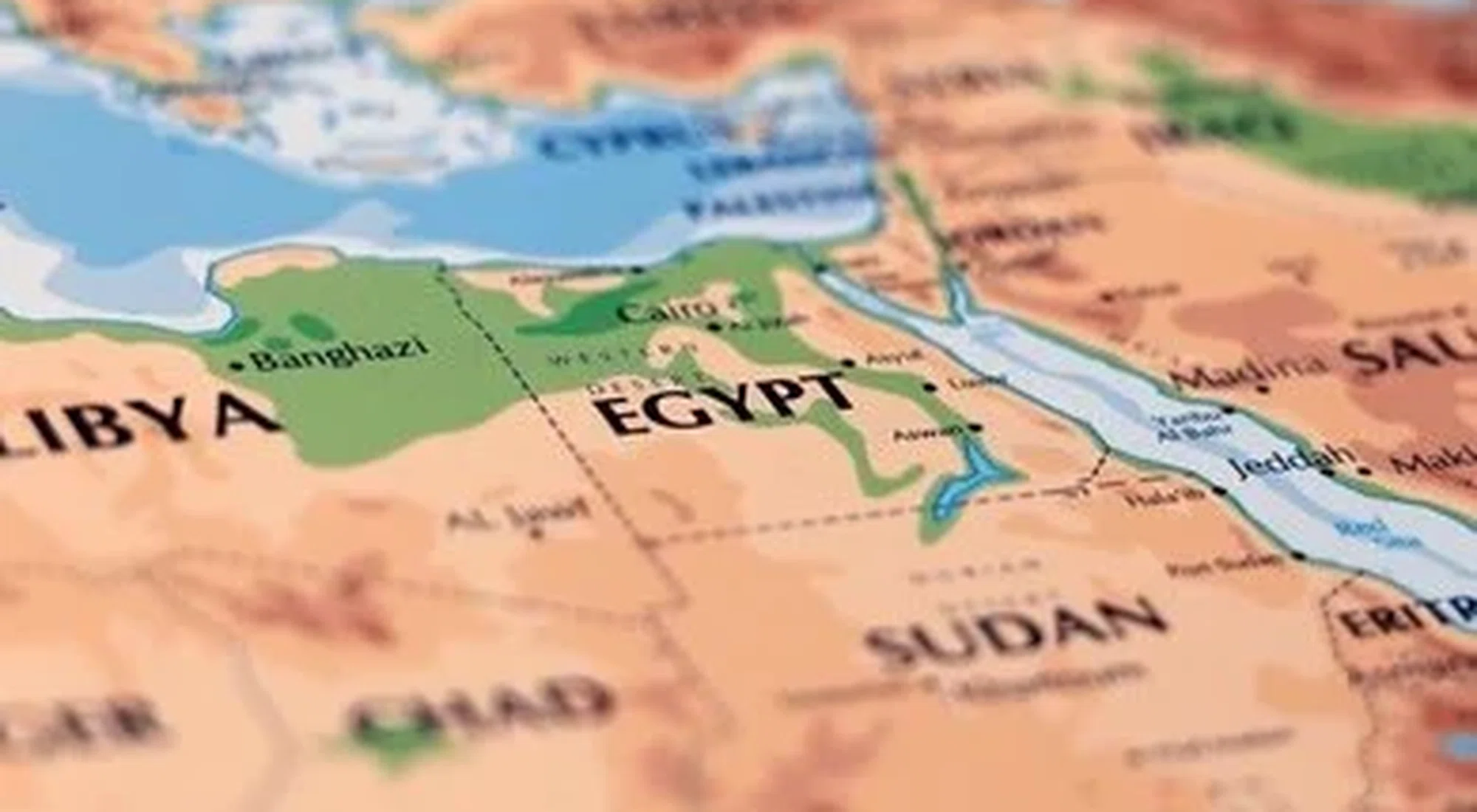
Egypt’s climate is primarily shaped by its geography. The country straddles the northeastern corner of Africa, bordered by the Mediterranean Sea to the north and the Red Sea to the east. The vast majority of Egypt is covered by the Sahara Desert, making it one of the driest countries on earth. However, the mighty Nile River, flowing from south to north, carves a fertile green ribbon through the arid landscape and creates a unique microclimate along its banks. This contrast between desert and river has influenced Egyptian life for millennia, including the locations of its most famous attractions like The Great Pyramids Of Giza.
For those interested in exploring the wonders along the Nile, browsing through Egypt Nile Cruises can offer insights into the best ways to experience the river’s lush scenery and moderate climate.
Egypt’s Seasons: What to Expect Year-Round
Egypt experiences two main seasons: a mild winter (November to April) and a hot summer (May to October). Winters are generally pleasant, with daytime temperatures ranging from 19°C to 25°C (66°F to 77°F) in most regions. Nights can be cool, especially in the desert. Summers, in contrast, bring intense heat, with temperatures in Cairo and the Nile Valley often exceeding 35°C (95°F), and desert regions soaring even higher. The Mediterranean coast enjoys milder summers due to sea breezes.
If you’re planning a trip that combines both historical exploration and coastal relaxation, the Veneer Vacation Package: Cairo & North Coast Trip is ideal for experiencing Egypt’s diverse climates within one itinerary.
Best Time to Visit Egypt
Most travelers consider the months between October and April as the best time to visit Egypt. During this period, the weather is comfortably warm, skies are clear, and the risk of sandstorms is minimal. This is the perfect time for sightseeing at major landmarks such as Luxor Temple and the Karnak Temple. Crowds tend to peak between December and February, so booking in advance is recommended for popular attractions and accommodations.
For those seeking a comprehensive experience, the 08 Days Egypt Trip Package is designed to showcase Egypt’s highlights during the most favorable weather, ensuring comfort and convenience throughout your journey.
Summer in Egypt: Heat and Adventure
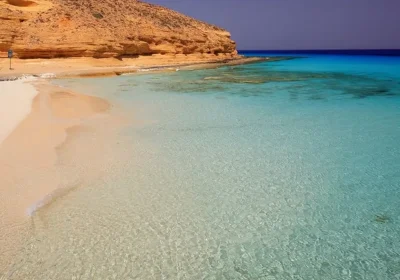
Egyptian summers, from May to October, are characterized by high temperatures and dry conditions. While the heat can be intense, especially in Upper Egypt and desert areas, coastal destinations like Alexandria and the North Coast are pleasantly warm and ideal for beach holidays. Early mornings and late afternoons are the best times for outdoor activities, while midday is best reserved for relaxing indoors or enjoying air-conditioned museums.
If you’re keen to explore ancient tombs and temples despite the heat, the The Valley Of The Kings remains a must-visit site, offering fascinating insights into Egypt’s royal history and burial traditions.
Planning a Nile cruise during summer can be surprisingly comfortable, as river breezes help moderate the temperature. For an intimate and traditional experience, consider the Elephantine Dahabiya, a classic sailing vessel that offers a unique perspective on the Nile’s timeless beauty.
Winter in Egypt: Mild Days and Cool Nights
Winter is Egypt’s peak tourist season, with temperatures that are ideal for exploring both urban and rural landscapes. Daytime highs typically range from 19°C to 25°C (66°F to 77°F), while night temperatures can drop to 8°C (46°F) or lower, especially in the desert. This is the best season for extensive sightseeing, photography, and outdoor adventures without the discomfort of extreme heat.
For travelers interested in combining cultural exploration with a scenic cruise, the 8 Days Best Egypt Tour with Nile Cruise offers a balanced itinerary that takes full advantage of Egypt’s pleasant winter climate.
Winter is also a wonderful time to delve into the country’s rich history and learn more about topics like Why Did The Egyptians Build Pyramids, as cooler temperatures make outdoor lectures and guided tours more enjoyable.
Regional Variations: North, South, and the Nile
Egypt’s climate varies significantly from north to south. The Mediterranean coast, including cities like Alexandria, enjoys moderate temperatures and higher humidity, especially in summer. Central Egypt, encompassing Cairo and Giza, experiences hot summers and mild winters. Upper Egypt, home to Luxor and Aswan, is the hottest region, with summer temperatures regularly exceeding 40°C (104°F). However, the proximity to the Nile provides some relief, making river cruises particularly pleasant.
For those fascinated by the grandeur of ancient temples, a visit to Karnak Temple in Luxor is a must, where the climate is best enjoyed in the cooler months.
To compare different cruise options along the river, the Best Nile River Cruises category provides detailed information on itineraries and seasonal highlights.
Desert Climate: Sandstorms and Sunshine
The Egyptian desert is famous for its dry, sunny weather and dramatic temperature swings. Rainfall is extremely rare, with some areas receiving less than 1 cm per year. Sandstorms, known locally as khamsin, can occur between March and May, bringing hot winds and reduced visibility. These are usually short-lived but can impact travel plans, especially in the Western Desert and Sinai.
When exploring desert sites or embarking on multi-day tours, it’s wise to stay informed about weather conditions. For practical travel safety tips, the Egypt Travel Safety blog offers valuable advice on staying comfortable and secure in Egypt’s challenging environments.
Understanding local customs, such as Tipping In Egypt, can also enhance your experience, especially when interacting with guides and service staff during excursions in remote regions.
River Life: The Nile’s Influence on Climate
The Nile River is the lifeblood of Egypt, creating a narrow corridor of lush, fertile land amidst the surrounding desert. The microclimate along the Nile is noticeably more temperate, with higher humidity and cooler breezes, especially during river cruises. This unique environment supports vibrant agriculture and makes riverside towns like Luxor and Aswan ideal bases for exploring ancient sites.
For a deeper dive into the wonders of the Nile, consider reading about Luxor Temple, an awe-inspiring monument that has stood for millennia along the river’s edge.
To experience this lush corridor firsthand, browsing the various Egypt Nile Cruises will help you find the perfect itinerary for exploring Egypt’s most scenic and historic regions.
Practical Tips for Travelers: Weather, Packing, and Preparation
When planning your Egyptian adventure, it’s important to pack for both the climate and cultural expectations. Lightweight, breathable clothing is essential for hot days, while a warm layer is recommended for chilly desert nights and air-conditioned interiors. Sun protection—hats, sunglasses, and sunscreen—is crucial year-round, as Egypt enjoys over 3,800 hours of sunshine annually.
Understanding the local currency is also vital for smooth travel. For detailed information on exchange rates and money matters, check out What Is The Currency Of Egypt?.
For those who want to maximize their time and comfort, pre-arranged tours like the 08 Days Egypt Trip Package are designed to align with the best weather conditions and offer a hassle-free experience.
Frequently Asked Questions
What is the best month to visit Egypt for sightseeing?
The best months for sightseeing in Egypt are typically from October to April, when temperatures are mild and pleasant. This is the ideal time to explore landmarks like the The Great Pyramids Of Giza without the discomfort of extreme heat.
Does it ever rain in Egypt?
Rainfall in Egypt is extremely rare, especially in the desert regions. The Mediterranean coast receives the most precipitation, mostly in winter, but showers are usually brief. Most of the country remains dry and sunny year-round.
How hot does it get in Egypt during the summer?
Summer temperatures in Egypt can reach 35°C to 40°C (95°F to 104°F) or higher, particularly in Upper Egypt and the desert. Coastal areas are cooler, thanks to sea breezes. It’s best to plan outdoor activities for early morning or late afternoon during this season.
Are Nile cruises comfortable during the summer months?
Yes, Nile cruises are generally comfortable even in summer, as the river’s breezes help moderate the heat. For a classic cruising experience, the Elephantine Dahabiya offers an intimate journey along the Nile, with opportunities to relax and enjoy the scenery.
What should I pack for a trip to Egypt?
Pack lightweight, breathable clothing for hot days, a warm layer for cool nights, and sun protection such as hats and sunscreen. Comfortable walking shoes are essential for exploring ancient sites like The Valley Of The Kings and city streets.
Is Egypt safe for tourists, considering the climate?
Egypt is generally safe for tourists, but it’s important to stay hydrated, protect yourself from the sun, and follow local advice during sandstorms or extreme heat. For more safety tips, visit the Egypt Travel Safety blog.