Tipping In Egypt: A Complete Traveler’s Guide
Egypt, the land of pharaohs, pyramids, and the mighty Nile, is a destination that enchants travelers with its ancient wonders and vibrant culture. As you explore bustling bazaars, cruise down the river, or marvel at temples and tombs, you'll encounter a unique aspect of Egyptian hospitality: tipping, known locally as “baksheesh.” Understanding when, where, and how much to tip can make your journey smoother, foster good relations with locals, and ensure you receive the best service. This comprehensive guide will demystify tipping in Egypt, equipping you with practical advice for every situation.
The Tradition of Baksheesh: A Cultural Overview
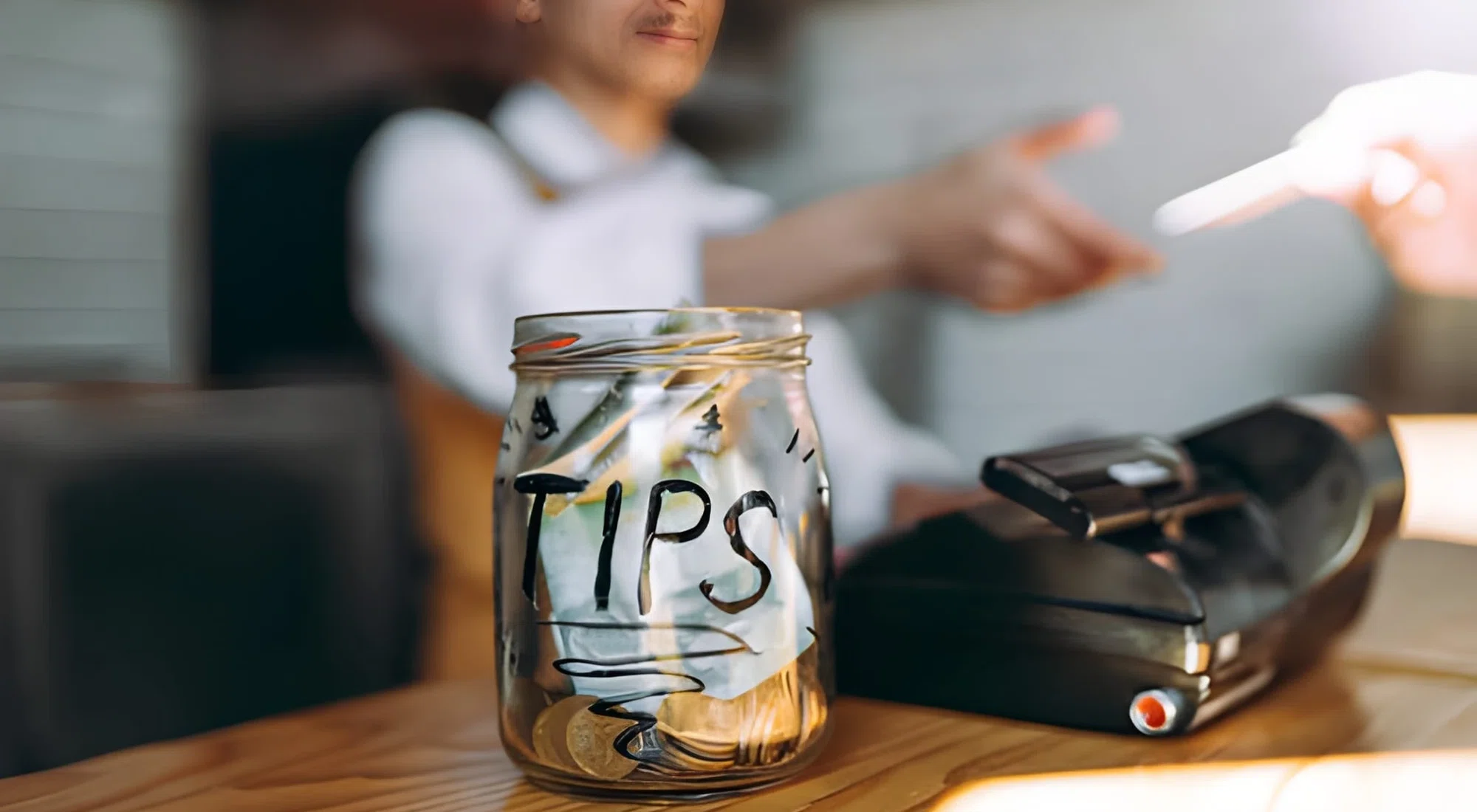
Tipping in Egypt is deeply rooted in the culture and is often seen as an essential part of daily life. The term “baksheesh” refers not just to tips but also to small acts of generosity or gratitude. In many cases, baksheesh is expected in exchange for services, both big and small, and is woven into the fabric of Egyptian society. From hotel staff to taxi drivers and restroom attendants, the practice of tipping extends across nearly every sector of the service industry.
Historically, baksheesh evolved as a way to supplement modest incomes, especially in professions where wages are low. Today, it serves both as a token of appreciation and as a practical necessity for many workers. For travelers, understanding this tradition helps avoid awkward moments and ensures a more authentic and respectful interaction with locals.
How Much Should You Tip in Egypt?
One of the most common questions for visitors is, “How much should I tip?” While there are no strict rules, there are general guidelines that can help you navigate various situations. In restaurants, a tip of 10–15% is customary if service is not already included in the bill. For hotel staff, small amounts—such as 10–20 Egyptian pounds (EGP) for bellhops or housekeeping—are appreciated. Taxi drivers typically expect to round up the fare, adding a few extra pounds as a courtesy.
It’s important to carry small denominations of Egyptian pounds, as change can be scarce and large bills may be difficult to break. When in doubt, a polite inquiry—“Is service included?”—can clarify expectations. Remember, tipping is always appreciated, but it should reflect the level of service you receive.
Tipping in Hotels: Who, When, and How Much?
Hotels in Egypt, ranging from budget hostels to luxury resorts, generally expect guests to tip various staff members. Upon arrival, tipping the porter 10–20 EGP per bag is standard. Housekeeping staff appreciate a similar amount left daily or as a lump sum at the end of your stay. If you use concierge services or request special assistance, a tip of 20–50 EGP is appropriate, depending on the complexity of the request.
At higher-end hotels, service charges may be added to your bill, but these often do not reach the staff directly. If you’re unsure, discreetly ask the front desk or observe local customs. Tipping is a tangible way to acknowledge the hard work of those who make your stay comfortable and enjoyable.
Restaurants, Cafés, and Street Food: Navigating the Etiquette
Dining in Egypt offers everything from fine restaurants to casual cafés and vibrant street food stalls. In sit-down restaurants, it’s customary to leave a tip of 10–15% if service is not included. Some establishments add a service charge to the bill, but this may not go directly to your server, so leaving a small cash tip is still appreciated.
For cafés and coffee shops, rounding up the bill or leaving a few pounds is sufficient. When enjoying street food, tipping is not mandatory, but a small token (1–5 EGP) is a kind gesture, especially if the vendor goes out of their way for you. Remember, tipping in cash is preferred, as it ensures the intended recipient receives your gratitude.
Guides, Drivers, and Tour Operators: Showing Appreciation for Expertise
Egypt’s rich history comes alive through the stories and expertise of local guides. Whether you’re touring the Pyramids of Giza, exploring Luxor’s temples, or sailing on a Nile cruise, tipping your guide and driver is customary and highly appreciated. For group tours, a tip of 50–100 EGP per person per day for the guide and 20–50 EGP for the driver is standard. For private tours, consider tipping more generously, reflecting the personalized attention and service.
Tipping tour operators or boat crew on Nile cruises is also expected. Some cruises collect a communal tip at the start or end of the voyage, which is distributed among the staff. Always check with your tour company for specific recommendations, as practices may vary.
Taxis, Ride-Sharing, and Public Transport
Getting around Egypt by taxi or ride-sharing apps like Uber and Careem is convenient and affordable. For traditional taxis, it’s common to round up the fare or add a 5–10 EGP tip, especially if the driver helps with luggage or navigates heavy traffic. With ride-sharing apps, tipping is optional but appreciated; you can add a tip through the app or in cash.
On public transport, tipping is not required, but if someone assists you with directions or helps with your bags, a small gesture of appreciation is welcome. Always agree on taxi fares in advance to avoid misunderstandings, and keep small bills handy for tipping.
Tipping in Temples, Museums, and Tourist Sites
As you explore Egypt’s world-famous sites, you’ll often encounter attendants, guards, or unofficial guides offering insights or photo opportunities. While some may expect a tip for their assistance, it’s up to you to decide if the service merits it. For official guides or attendants, a tip of 10–20 EGP is reasonable. If someone offers to take your photo or shows you a hidden feature, a small tip is customary, but never obligatory.
Be cautious of aggressive touts or those who pressure you for baksheesh without providing a genuine service. A polite but firm “la, shukran” (“no, thank you”) is usually effective if you do not wish to engage. Respectful tipping fosters goodwill, but it’s important to set boundaries when necessary.
Restrooms, Porters, and Everyday Encounters
Throughout your travels in Egypt, you’ll find that tipping extends to many everyday situations. Public restrooms, especially in tourist areas, often have attendants who expect a tip of 1–5 EGP. Porters at train stations or airports appreciate a small tip for handling luggage. Even small acts of help—such as directions or assistance with a stroller—may be met with an expectation of baksheesh.
While these amounts may seem minor, they make a significant difference to locals. Carrying a supply of small notes or coins will make these exchanges easier and more comfortable. When in doubt, observe what locals do or ask your hotel for guidance on appropriate tipping amounts.
When Not to Tip: Recognizing Exceptions and Avoiding Pitfalls
While tipping is widespread in Egypt, there are situations where it is not expected or even appropriate. In government offices, banks, or formal business settings, tipping is unnecessary and may be considered improper. Similarly, in some upscale restaurants or hotels where service charges are included and staff are well-compensated, additional tipping is optional.
It’s also important to recognize and avoid scams—some individuals may pose as staff or invent reasons to solicit tips. If you feel pressured or uncomfortable, it’s perfectly acceptable to decline. Trust your instincts and remember that tipping should be a gesture of appreciation, not an obligation.
Frequently Asked Questions
Is tipping mandatory in Egypt?
Tipping is not legally mandatory in Egypt, but it is a deeply ingrained part of the culture. In most service situations, a small tip is expected and appreciated, though the amount and necessity can vary depending on the context.
Can I tip in foreign currency?
While some Egyptians will accept foreign currency (such as US dollars or euros), it is best to tip in Egyptian pounds. Local currency is more convenient for recipients and avoids issues with exchange rates or unusable coins.
What if I don’t have small bills for tipping?
It’s advisable to break large bills at banks, hotels, or shops early in your trip, as small denominations are essential for tipping. If you’re caught without change, politely explain the situation—most locals are understanding.
How do I know if a service charge is included?
Many restaurants and hotels in Egypt add a service charge to the bill. Always check your receipt or ask staff if you’re unsure. Even when a service charge is included, a small additional tip for excellent service is appreciated but not required.
Is tipping expected for children or students?
Children and students are not generally expected to tip unless they are receiving a service, such as a guided tour or special assistance. In these cases, the same guidelines apply as for adults, adjusted for the level of service.
How can I politely decline to tip if I don’t feel it’s warranted?
If you do not wish to tip, a polite “la, shukran” (“no, thank you”) is sufficient. Most Egyptians will respect your decision, especially if the service was unsolicited or unsatisfactory. Use your judgment and comfort level as a guide.