The Temple of Seti: Exploring Egypt’s Forgotten Masterpiece
Hidden in the heart of Upper Egypt, the Temple of Seti I stands as a remarkable testament to the grandeur and spirituality of ancient Egypt’s New Kingdom. While the temples of Luxor and Karnak often steal the spotlight, the Temple of Seti in Abydos is a treasure trove for history enthusiasts, archaeology lovers, and culturally curious travelers. With its intricate reliefs, sacred atmosphere, and deep mythological significance, this temple invites visitors to step back in time and experience the legacy of a pharaoh who sought to immortalize his devotion to the gods and his ancestors. In this comprehensive guide, we’ll uncover the fascinating history, architectural wonders, and practical travel tips for making the most of your visit to the Temple of Seti.
The Historical Significance of the Temple of Seti I
The Temple of Seti I, also known as the Great Temple of Abydos, was constructed during the reign of Pharaoh Seti I in the 13th century BCE. Seti I was the father of the legendary Ramses II and a ruler renowned for his military prowess and deep religious convictions. The temple was dedicated to Osiris, the god of the afterlife, and was designed as a pilgrimage site for ancient Egyptians seeking blessings and spiritual renewal.
Seti’s temple is especially famous for its detailed king lists—inscriptions that chronicle the lineage of Egypt’s pharaohs. These lists have been invaluable to historians piecing together the chronology of ancient Egypt. The temple’s connection to Osiris also made it a principal site for religious festivals and rituals, further cementing its cultural and spiritual importance.
For those interested in expanding their exploration of the area, the nearby Abydos Temple offers additional insight into the region’s sacred past and complements a visit to Seti’s masterpiece.
Architectural Marvels and Artistic Mastery
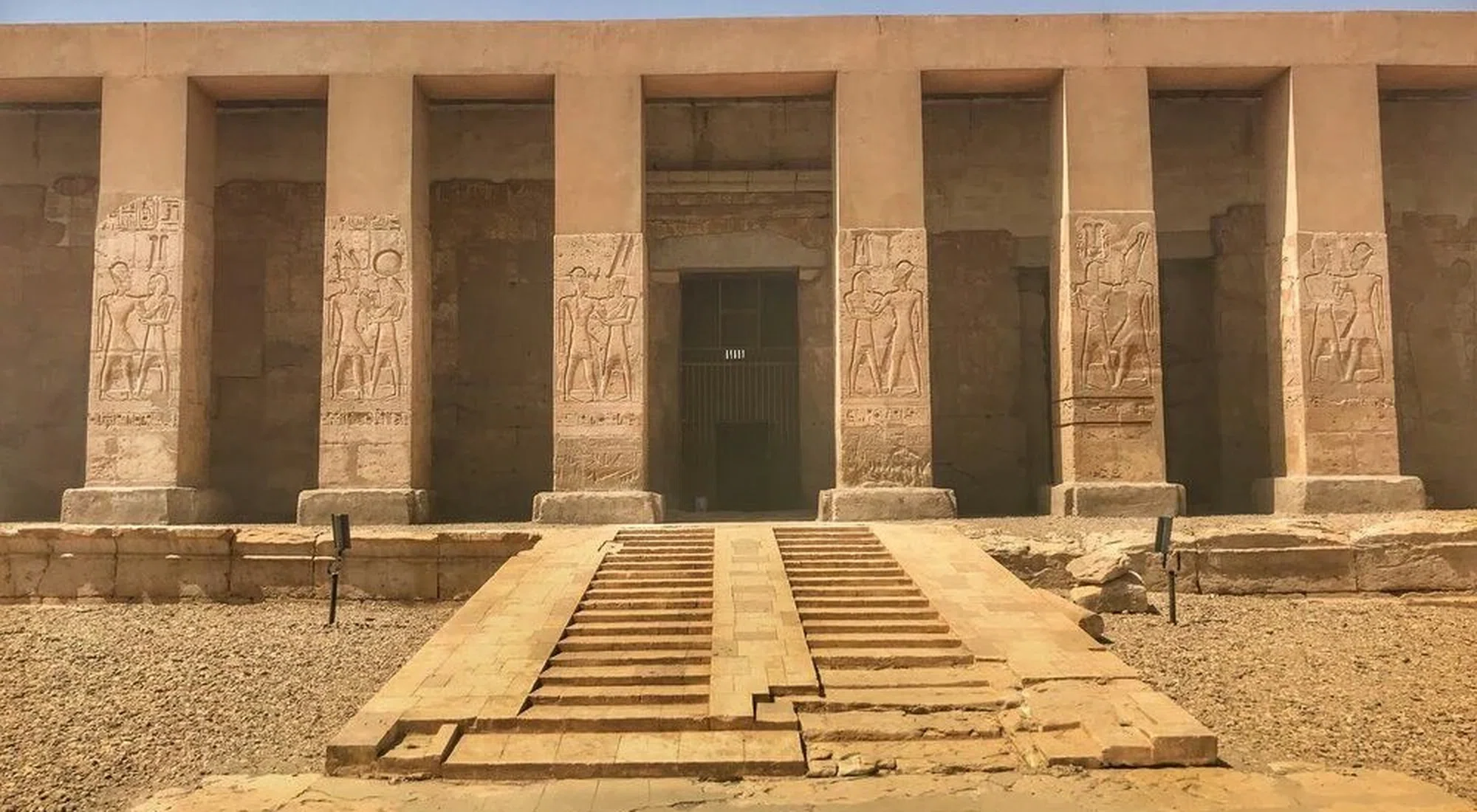
The Temple of Seti I is celebrated for its unique architectural layout and the exceptional quality of its carvings. Unlike many other temples in Egypt, Seti’s temple features an L-shaped plan with seven sanctuaries, each dedicated to a different deity: Osiris, Isis, Horus, Ptah, Re-Horakhty, Amun, and Seti himself. This design reflects the pharaoh’s devotion to the pantheon of gods and his desire for eternal remembrance.
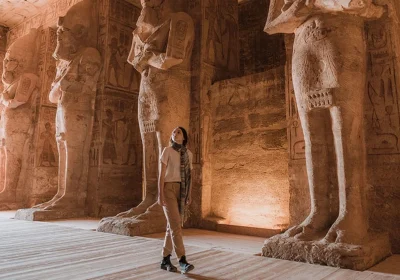
What truly sets the Temple of Seti apart are its remarkably well-preserved bas-reliefs. The walls are adorned with vibrant scenes depicting pharaonic rituals, offerings to the gods, and mythological narratives. These reliefs are considered some of the finest in all of Egypt, showcasing exquisite detail and subtle color that have survived millennia.
If you are captivated by ancient Egyptian art and architecture, consider visiting the Edfu Temple, another splendid example of pharaonic craftsmanship located along the Nile.
Mythology and Mysteries: The Temple’s Spiritual Legacy
The Temple of Seti I is steeped in myth and legend. Abydos, the city where the temple resides, was believed to be the burial place of Osiris, making it one of the most sacred sites in ancient Egypt. Pilgrims traveled from across the land to pay homage to the god of the afterlife, participate in rituals, and seek divine favor.
One of the temple’s most intriguing features is the so-called “Abydos Helicopter” hieroglyphs—unusual carvings that have sparked modern speculation and debate. While most scholars agree that these are the result of overlapping inscriptions, they continue to draw curious visitors eager to unravel the mysteries of Egypt’s past.
For those fascinated by Egyptian mythology and sacred sites, the Temple Of Horus provides another immersive journey into the legendary world of gods and pharaohs.
How to Get There: Planning Your Journey to Abydos
Reaching the Temple of Seti I requires a bit of planning, as Abydos is located about 450 kilometers south of Cairo and 160 kilometers north of Luxor. Most travelers opt to visit Abydos as part of a guided tour from Luxor or Sohag, with private transfers or organized excursions making the journey comfortable and insightful.
For those interested in a more luxurious travel experience, the 11 Days Luxury Egypt Tour Package provides a seamless way to explore Abydos alongside Egypt’s most iconic sites, ensuring that every aspect of your trip is expertly curated.
If you’re looking to combine your visit with other ancient wonders, don’t miss the chance to explore the Kom Ombo Temple, renowned for its unique double design and riverside setting.
Best Time to Visit the Temple of Seti I
Egypt’s climate can be extreme, with scorching summers and mild winters. The ideal time to visit the Temple of Seti I is between October and April, when temperatures are pleasant and the risk of sandstorms is low. Early mornings are particularly magical, offering soft light for photography and a tranquil atmosphere for exploring the temple’s sacred halls.
To plan your journey around Egypt’s climate and festivals, check out this comprehensive guide on The Best Time To Visit Egypt.
Travelers with a passion for the Nile’s timeless beauty may also wish to consider a Egypt Nile Cruises experience, which often includes stops at key historical sites and offers a unique perspective on Egypt’s riverine landscapes.
Travel Tips: Currency, Tipping, and Local Customs
Before setting out for Abydos and the Temple of Seti I, it’s essential to familiarize yourself with local customs and practicalities. The Egyptian Pound (EGP) is the official currency, and cash is the preferred method of payment in most rural areas and archaeological sites.
For a detailed overview of Egypt’s currency, including exchange tips and security advice, read What Is The Currency Of Egypt?. Tipping, or “baksheesh,” is customary in Egypt and is appreciated by guides, drivers, and site staff. Understanding when and how much to tip can enhance your travel experience and foster positive interactions with locals—learn more in this guide to Tipping In Egypt.
If you’re interested in exploring Egypt’s vibrant coastal destinations after your temple adventure, browse the curated Red Sea Packages for relaxation and underwater wonders.
Combining Abydos with Other Egyptian Wonders
While the Temple of Seti I is a destination in its own right, many travelers choose to combine their visit with other legendary sites along the Nile. Luxor, with its Valley of the Kings and Karnak Temple, is a common starting point for excursions to Abydos. Additionally, the city of Aswan and the temples of Edfu and Kom Ombo can be explored as part of a broader itinerary.
For a seamless and enriching journey, the 09 Days Egypt and Nubia Tour offers a thoughtfully crafted route that includes Abydos and introduces travelers to the cultural heritage of Upper Egypt and Nubia.
To ensure a smooth and memorable trip, review this essential resource on How To Plan A Trip To Egypt for expert advice on visas, transportation, and itinerary planning.
Experiencing the Nile: Cruises and Tours
One of the most enchanting ways to explore Egypt’s ancient wonders is by embarking on a Nile cruise. These journeys offer a blend of comfort, luxury, and historical immersion, allowing travelers to visit temples, tombs, and cities along the river’s legendary banks.
If you’re seeking a unique cruise experience, consider the Lake Nasser Cruise Egypt, which explores the tranquil waters south of Aswan and visits lesser-known temples and monuments.
For those who prefer day excursions, the Pyramids with Sphinx, Egyptian Museum, & Khan el Khalil Tour in Cairo offers a perfect introduction to Egypt’s ancient and modern marvels, making it an ideal complement to your temple adventures in Upper Egypt.
Practical Tips for Visiting the Temple of Seti I
To make the most of your visit to the Temple of Seti I, consider the following practical tips:
- Opening Hours: The temple is generally open from early morning until late afternoon. Arrive early to avoid crowds and midday heat.
- Dress Code: Modest, comfortable clothing is recommended, along with sturdy shoes for walking on uneven surfaces.
- Photography: Non-flash photography is usually permitted, but always check local regulations and respect any restricted areas.
- Guides: Hiring a knowledgeable local guide can greatly enhance your understanding of the temple’s history and significance.
- Facilities: Basic amenities are available near the site, but it’s wise to bring water, snacks, and sun protection.
Allow yourself plenty of time to explore not just the main sanctuary but also the side chapels, courtyards, and surrounding ruins, each offering unique insights into ancient Egyptian religious practices.
Frequently Asked Questions
What makes the Temple of Seti I unique compared to other Egyptian temples?
The Temple of Seti I is renowned for its exceptionally well-preserved bas-reliefs, its L-shaped architectural design, and the presence of the king lists—inscriptions that chronicle the lineage of Egypt’s pharaohs. Its dedication to Osiris and its role as a pilgrimage site further set it apart from other temples.
How much time should I allocate for visiting the Temple of Seti I?
Most visitors spend between 1.5 to 3 hours exploring the temple and its grounds. If you are particularly interested in ancient art and inscriptions, allow extra time to appreciate the intricate details and to visit the nearby Osireion.
Is the Temple of Seti I accessible for travelers with limited mobility?
The temple grounds are uneven and may present challenges for visitors with mobility issues. While some areas are accessible, others require navigating steps and rough terrain. It’s advisable to consult with your tour operator in advance regarding accessibility options.
Can I combine a visit to Abydos with other attractions in Egypt?
Yes, the Temple of Seti I is often included in multi-day itineraries that feature other major sites such as Luxor, Aswan, Edfu, and Kom Ombo. Guided tours and Nile cruises offer convenient ways to explore several attractions in one trip.
Are there any special events or festivals held at the Temple of Seti I?
While the temple no longer hosts the grand religious festivals of ancient times, occasional cultural events and archaeological lectures are organized for visitors. Check with local tourism offices or your guide for updates on special happenings during your visit.
What should I bring with me when visiting the Temple of Seti I?
Bring comfortable walking shoes, sun protection (hat, sunglasses, sunscreen), water, a camera, and Egyptian pounds for entry fees and tips. Modest clothing is recommended out of respect for local customs and the sacred nature of the site.