
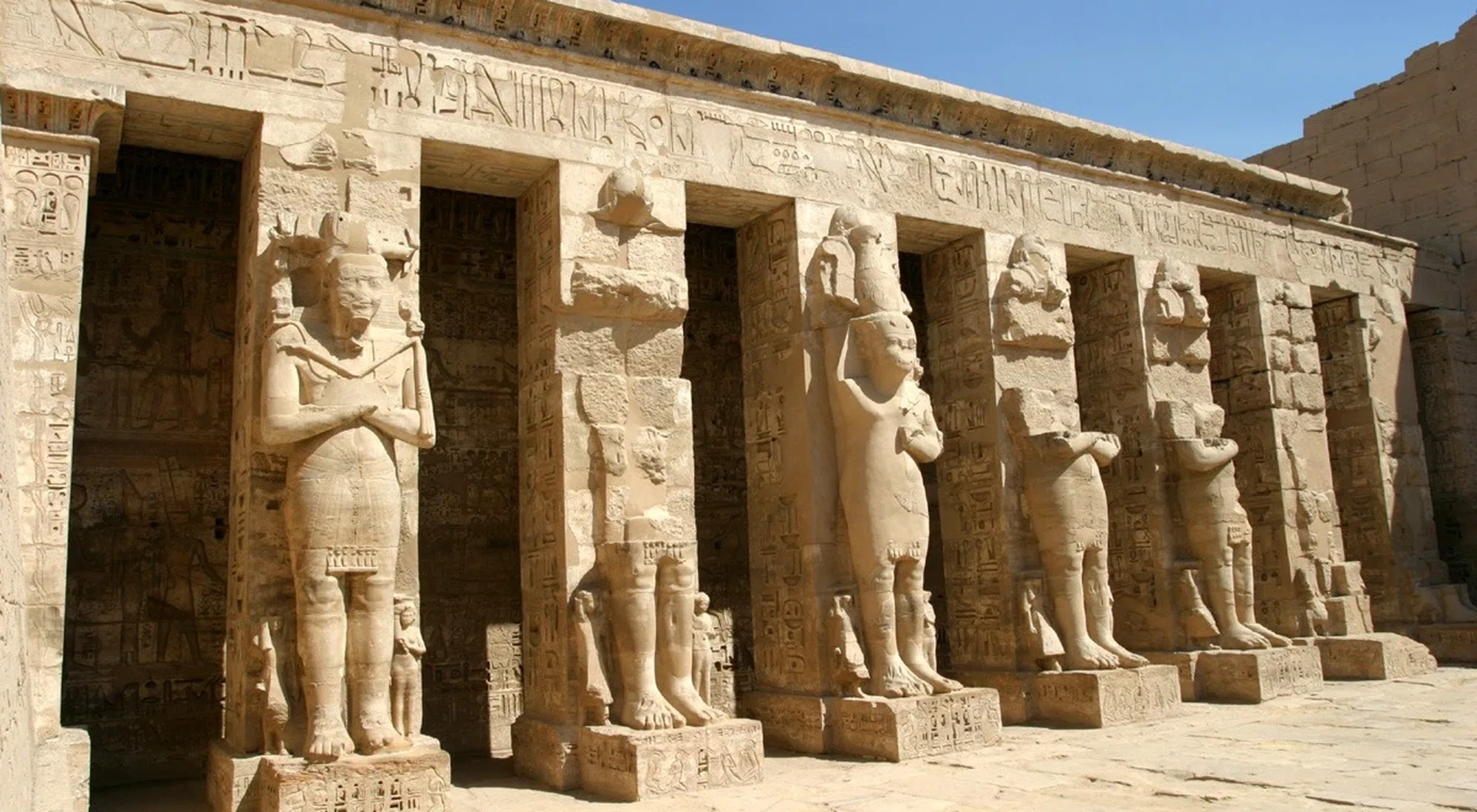
Discovering the Majestic Habu Temple: A Complete Visitor’s Guide
On the west bank of the Nile in Luxor, the imposing Habu Temple stands as one of Egypt’s most captivating ancient monuments. Known formally as the Mortuary Temple of Ramesses III, Habu Temple is a treasure trove of architectural wonders, vibrant reliefs, and tales of pharaohs and battles. Whether you’re a history buff, a lover of archaeology, or simply a curious traveler, exploring Habu Temple offers an unforgettable journey into the heart of ancient Egypt.
The Historical Significance of Habu Temple
Habu Temple was constructed during the reign of Ramesses III (1186–1155 BCE), one of Egypt’s last great pharaohs. The temple complex served both as a mortuary temple for the king and as a center for religious and administrative activities. Its walls are adorned with some of the best-preserved reliefs in Egypt, vividly depicting the pharaoh’s victories against the Sea Peoples and other adversaries.
For those interested in exploring more of Egypt’s ancient wonders, the Temple Of Hatshepsut is another must-see attraction in the Luxor area, showcasing the grandeur and diversity of Egyptian temple architecture.
Architectural Marvels and Unique Features
One of the most striking aspects of Habu Temple is its massive mudbrick enclosure wall, which once protected the temple and its surrounding town. The temple’s pylons, courtyards, and sanctuary are decorated with intricate carvings and colorful paintings, many of which retain their original vibrancy. The reliefs not only glorify Ramesses III’s achievements but also provide invaluable insights into ancient Egyptian religion, daily life, and military campaigns.
While visiting Habu Temple, travelers often compare its grandeur with other iconic sites such as the Luxor Temple, which is renowned for its impressive columns and evening illuminations.
Planning Your Visit: Practical Information and Tips
Habu Temple is located in Medinet Habu, on the west bank of the Nile, just a short drive from central Luxor. The site is open daily, with early mornings and late afternoons being the best times to visit for cooler temperatures and softer light for photography. Comfortable walking shoes, sun protection, and plenty of water are essential, as the temple grounds are extensive and exposed to the sun.
If you’re wondering about local customs and attire, check out this helpful guide on What To Wear In Egypt to ensure you’re dressed appropriately and respectfully during your temple explorations.
Top Experiences at Habu Temple
Exploring Habu Temple is a multi-sensory experience. As you wander through the towering gates and courtyards, look for the vibrant battle scenes, detailed lists of offerings, and the mysterious “Window of Appearances” where the king would present himself to the people. Don’t miss the smaller chapels and storerooms, which reveal more intimate aspects of temple life.
For those crafting a comprehensive itinerary, the Things To Do In Egypt blog offers inspiration for combining Habu Temple with other unforgettable sites across the country.
Nearby Attractions: Expanding Your Luxor Adventure
Luxor’s west bank is a treasure trove of ancient wonders. After visiting Habu Temple, many travelers continue to the Valley of the Kings, the Valley of the Queens, and the Ramesseum. The east bank is equally impressive, featuring the monumental Karnak Temple, which is famed for its forest of giant columns and sacred lake.
For a deeper dive into Egypt’s temple heritage, consider a visit to the enchanting Temple Of Philae, an island sanctuary dedicated to the goddess Isis and renowned for its beautiful setting and fascinating history.
How Many Days Should You Spend in Luxor?
Luxor is often called the world’s greatest open-air museum, and with so much to see, planning your time is essential. While some travelers try to fit everything into a whirlwind day, spending at least two to three days in Luxor allows you to fully appreciate the temples, tombs, and museums at a relaxed pace. Habu Temple, with its tranquil atmosphere and fewer crowds, is best enjoyed without rushing.
If you’re unsure about how to structure your trip, the blog post How Many Days In Egypt provides practical itineraries for making the most of your Egyptian adventure.
Travel Packages and Guided Tours to Habu Temple
Many visitors find that joining a guided tour or booking a travel package is the easiest way to explore Luxor’s treasures, including Habu Temple. Expert guides bring the site’s history to life, sharing stories and details you might otherwise miss. For travelers from the United States, there are specialized options such as the 11 Days Egypt Travel Package from USA, which includes visits to Luxor’s most iconic temples and tombs.
To explore a variety of travel options, browse the Egypt Travel Pacakges page, where you’ll find curated tours to suit every interest and schedule.
Combining Habu Temple with a Nile Cruise
One of the most enchanting ways to experience Luxor and its surroundings is by taking a Nile cruise. These cruises offer a luxurious and relaxing way to travel between Egypt’s most famous sites, with stops at temples, tombs, and local villages. The Meroe Dahabiya Nile Cruise is a particularly elegant option, blending comfort with authentic Egyptian experiences along the river.
If you’re planning a shorter visit, the 08 Days Tour to Egypt from USA is an excellent choice, combining essential highlights like Habu Temple with other must-see destinations.
Beyond Temples: Exploring Egypt’s Natural Wonders
While Egypt is famed for its ancient monuments, its natural attractions are equally captivating. After immersing yourself in Luxor’s rich history, consider a day trip to experience Egypt’s stunning landscapes. The Ras Mohamed National Park Experience by bus offers a chance to discover the vibrant coral reefs and crystal-clear waters of the Red Sea, a perfect complement to your cultural explorations.
For those planning a longer journey, be sure to explore the Egypt Tours Packages from USA, which include both historical sites and natural wonders, ensuring a well-rounded adventure.
Luxor’s Place Among Egypt’s Best Cities
Luxor is not only a highlight for history lovers but also a vibrant city with a lively local culture, bustling markets, and delicious cuisine. Whether you’re strolling along the Nile corniche or sampling traditional Egyptian dishes, Luxor offers a warm welcome to travelers from around the world. To discover more top destinations for your Egyptian journey, check out the list of Best Cities To Visit In Egypt and see how Luxor compares to other fascinating cities like Aswan, Cairo, and Alexandria.
Frequently Asked Questions
What is the Habu Temple and why is it important?
Habu Temple, also known as the Mortuary Temple of Ramesses III, is a monumental temple complex on Luxor’s west bank. It is significant for its well-preserved reliefs, detailed depictions of ancient battles, and its role as a religious and administrative center during the reign of Ramesses III.
How do I get to Habu Temple from Luxor city center?
Habu Temple is located about 7 kilometers from Luxor city center on the west bank of the Nile. You can reach it by taxi, private car, or as part of a guided tour. Many tours include Habu Temple along with other west bank attractions.
What are the opening hours and entry fees for Habu Temple?
Habu Temple is generally open daily from early morning until late afternoon. Entry fees are subject to change, so it’s best to check with local tourism offices or your tour provider for the latest information.
Can I visit Habu Temple as part of a Nile cruise itinerary?
Yes, many Nile cruises include guided excursions to Luxor’s west bank, including Habu Temple. Cruises like the Meroe Dahabiya Nile Cruise offer the convenience of visiting multiple sites in comfort and style.
What should I wear when visiting Habu Temple?
It’s recommended to wear lightweight, breathable clothing that covers your shoulders and knees out of respect for local customs. Comfortable walking shoes, a hat, and sunscreen are also essential. For more tips, read What To Wear In Egypt.
Are there other must-see temples near Habu Temple?
Absolutely! Nearby, you’ll find the Temple Of Hatshepsut, Luxor Temple, and Karnak Temple, each offering unique insights into ancient Egyptian civilization.


