Egypt Travel Etiquette: Essential Tips for a Respectful Journey
Egypt, a land of ancient wonders and vibrant culture, welcomes millions of visitors each year. From the timeless beauty of the Nile to the bustling streets of Cairo, the country offers a tapestry of experiences. However, to truly immerse yourself and enjoy a fulfilling adventure, understanding and respecting local customs is crucial. This guide to Egypt travel etiquette will help you navigate social norms, dress codes, and interactions, ensuring your journey is memorable for all the right reasons.
Navigating Egyptian Social Customs
Egyptians are renowned for their hospitality and warmth. When meeting locals, a friendly greeting such as “Salam Alaikum” (peace be upon you) is appreciated. Handshakes are common among men, but when greeting women, it’s respectful to wait for them to extend their hand first. Public displays of affection should be kept to a minimum, especially in rural or conservative areas. Always use your right hand for eating and giving or receiving items, as the left hand is considered less clean.
For couples traveling together, particularly those on romantic getaways like the Honeymoon in Cairo & Sharm El Sheikh – 8 Days of Romance, it’s important to be mindful of public behavior and maintain discretion to respect local sensibilities.
When visiting someone’s home, it’s customary to remove your shoes before entering and to bring a small gift, such as sweets or pastries, as a token of appreciation. These gestures go a long way in building rapport and showing respect for Egyptian traditions.
Dress Code: What to Wear in Egypt
Egypt is a predominantly Muslim country, and modesty in dress is highly valued. While major cities like Cairo and tourist resorts are more relaxed, it’s still advisable to wear clothing that covers shoulders, cleavage, and knees, especially when visiting mosques or rural communities. Light, breathable fabrics are ideal for the hot climate.
Before packing your suitcase, review detailed advice in What To Wear In Egypt to ensure your wardrobe aligns with local expectations and the season of your visit. Women may wish to carry a scarf for covering their hair when entering religious sites, while men should avoid wearing shorts in formal or religious settings.
Swimwear is acceptable at hotel pools and private beaches, but should not be worn in public spaces. By dressing modestly, travelers demonstrate cultural sensitivity and are more likely to receive warm welcomes from locals.
Respecting Religious Sites and Practices
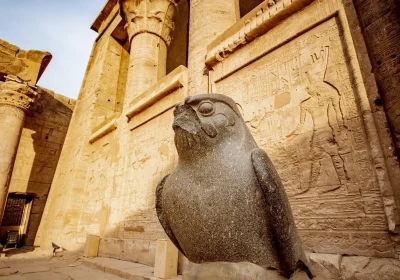
Egypt’s mosques, churches, and temples are not only architectural marvels but also places of deep spiritual significance. When visiting religious sites such as the The Valley Temple, dress conservatively and remove your shoes before entering prayer areas. Photography may be restricted in certain locations, so always ask for permission before taking pictures.
During the holy month of Ramadan, many Egyptians fast from dawn to sunset. Out of respect, avoid eating, drinking, or smoking in public during daylight hours. Even outside of Ramadan, showing consideration for local customs, such as not interrupting prayer times, will be appreciated by your hosts.
For those exploring Egypt’s spiritual heritage, guided tours can provide valuable context and help ensure you observe proper etiquette throughout your visit.
Visiting Egypt’s Iconic Attractions
Egypt is home to some of the world’s most iconic historical sites, each with its own set of guidelines for visitors. At the The Great Pyramids Of Giza, for example, climbing the monuments is strictly prohibited, and touching ancient carvings or artifacts is discouraged to preserve these treasures for future generations.
When touring open-air sites like the Colossi Of Memnon or the Valley Of The Queens, stay on designated paths and respect signage. Littering is frowned upon, so carry your trash with you or use provided bins. Guides and site staff are valuable sources of information—treat them courteously and feel free to ask questions about proper behavior at each location.
Being mindful of your surroundings and following rules ensures a positive experience for everyone and helps protect Egypt’s cultural heritage.
Photography Etiquette and Permissions
Photography is a highlight for many travelers, but it’s important to be respectful when capturing images in Egypt. Always ask for permission before photographing people, especially women, as some may find it intrusive. In markets or local neighborhoods, a polite request can turn a simple photo into a memorable interaction.
At some attractions, photography is restricted or requires a permit. For example, flash photography may damage ancient artwork, and certain tombs or museums prohibit cameras altogether. Check signage and follow staff instructions to avoid misunderstandings.
On guided experiences such as the Ras Mohamed National Park Experience by bus, guides will inform you of any specific rules regarding photography in protected natural areas.
Bargaining, Tipping, and Money Matters
Bargaining is a common practice in Egyptian markets (souks) and is seen as part of the shopping experience. Approach negotiations with a friendly attitude and a smile. Start by offering about half the asking price and work towards a fair middle ground. Remember, it’s not about winning but about engaging in friendly banter and reaching a mutually agreeable deal.
Tipping, known locally as “baksheesh,” is customary in Egypt and is expected for many services, including hotel staff, guides, and drivers. Small amounts are appreciated and go a long way in supplementing local incomes. Carry small bills or coins for this purpose. For those planning comprehensive trips, consider structured options like Egypt Travel Pacakges, where many gratuities are often included, simplifying your travel experience.
When handling money, use your right hand, and be discreet when counting or exchanging bills in public to avoid drawing unwanted attention.
Transportation Etiquette and Getting Around
Egypt’s transportation system ranges from modern metros in Cairo to traditional feluccas on the Nile. When using public transport, offer your seat to elderly passengers or women with children. Buses and trains can be crowded, so patience and politeness are key. Taxis are widely available—agree on a fare before starting your journey or ensure the meter is running.
If you’re considering a river journey, the Egypt Nile Cruise Luxury offers a refined and comfortable way to experience the country’s heartland. Cruises typically include guided excursions, where following your guide’s instructions and adhering to group schedules is important for a smooth trip.
For those on multi-city tours like the 7 Days Cairo & Sharm El Sheikh Tour, organized transport is provided, and respecting group dynamics and timekeeping ensures a pleasant experience for all participants.
Dining Etiquette and Culinary Traditions
Egyptian cuisine is a delightful fusion of Middle Eastern and Mediterranean flavors. When invited to share a meal, wait for your host to indicate where you should sit and begin eating. Meals are often communal, with shared dishes placed in the center. Use your right hand for eating, and avoid touching food with your left hand.
Complimenting your host on the food is a sign of appreciation. If offered more food or drink, it’s polite to accept at least a small amount, as refusal may be seen as impolite. In restaurants, tipping is customary—leave around 10% of the bill or round up the total. For travelers exploring Egypt’s romantic side, Honeymoon Egypt Tours often include special dining experiences, where observing local etiquette enhances the occasion.
Alcohol is available in many hotels and tourist restaurants, but public intoxication is frowned upon. When dining out, dress smartly and maintain a respectful demeanor, especially in upscale establishments.
Planning Your Visit: Practical Etiquette Tips
Preparation is key to a smooth and respectful journey in Egypt. Research your destinations in advance, and consider how much time you’ll need to fully appreciate each site. For guidance on trip duration, check out How Many Days In Egypt for itinerary ideas tailored to different interests.
Obtaining the proper documentation is essential—review entry requirements in Do You Need A Visa To Travel To Egypt? to ensure a hassle-free arrival. Once in Egypt, familiarize yourself with the best locations to visit by consulting Best Cities To Visit In Egypt for inspiration and travel tips.
Whether you’re planning a whirlwind tour or a leisurely exploration, thoughtful preparation and an understanding of local customs will help you make the most of your Egyptian adventure.
Frequently Asked Questions
Is it safe to travel to Egypt as a solo female traveler?
Egypt is generally safe for solo female travelers, especially in tourist areas. However, it’s important to dress modestly, avoid walking alone at night, and be cautious in less crowded areas. Consider joining guided tours or group excursions for added security and a richer experience.
What should I avoid doing to respect local culture in Egypt?
Avoid public displays of affection, dress modestly, and refrain from criticizing religion or politics. Always ask permission before photographing people, and be discreet when discussing sensitive topics.
How much should I tip in Egypt?
Tipping is customary for many services. In restaurants, 10% is standard. For guides, drivers, and hotel staff, small amounts are appreciated. Carry small bills or coins for convenience.
Are there any special customs during Ramadan?
During Ramadan, many Egyptians fast from dawn to sunset. Out of respect, avoid eating, drinking, or smoking in public during daylight hours. Be patient with altered business hours and slower service, as many people are fasting.
What are the best ways to get around Egypt?
Egypt offers a range of transportation options, from metros and taxis in cities to luxury river cruises. Organized tours and day trips are convenient for visiting popular attractions. Always agree on fares in advance for taxis or use metered vehicles.
Do I need a visa to visit Egypt?
Most travelers require a visa to enter Egypt. You can obtain one on arrival or online, depending on your nationality. For more details, refer to the official guidelines and plan ahead to ensure a smooth entry process.