The Avenue Of Sphinxes: Egypt’s Majestic Pathway of History
In the heart of Luxor, a city that once thrived as the ancient capital of Thebes, lies one of Egypt’s most awe-inspiring archaeological marvels: The Avenue of Sphinxes. Stretching for nearly three kilometers, this grand processional road is lined with hundreds of sphinx statues, linking the iconic Karnak Temple with the magnificent Luxor Temple. The Avenue of Sphinxes is not just a testament to ancient engineering and artistry; it is a living corridor of history, where every stone whispers tales of pharaohs, gods, and the vibrant civilization that flourished along the Nile. Whether you are a history enthusiast, a curious traveler, or a seeker of wonders, walking this avenue is an experience that brings the grandeur of ancient Egypt to life.
The History and Significance of the Avenue of Sphinxes
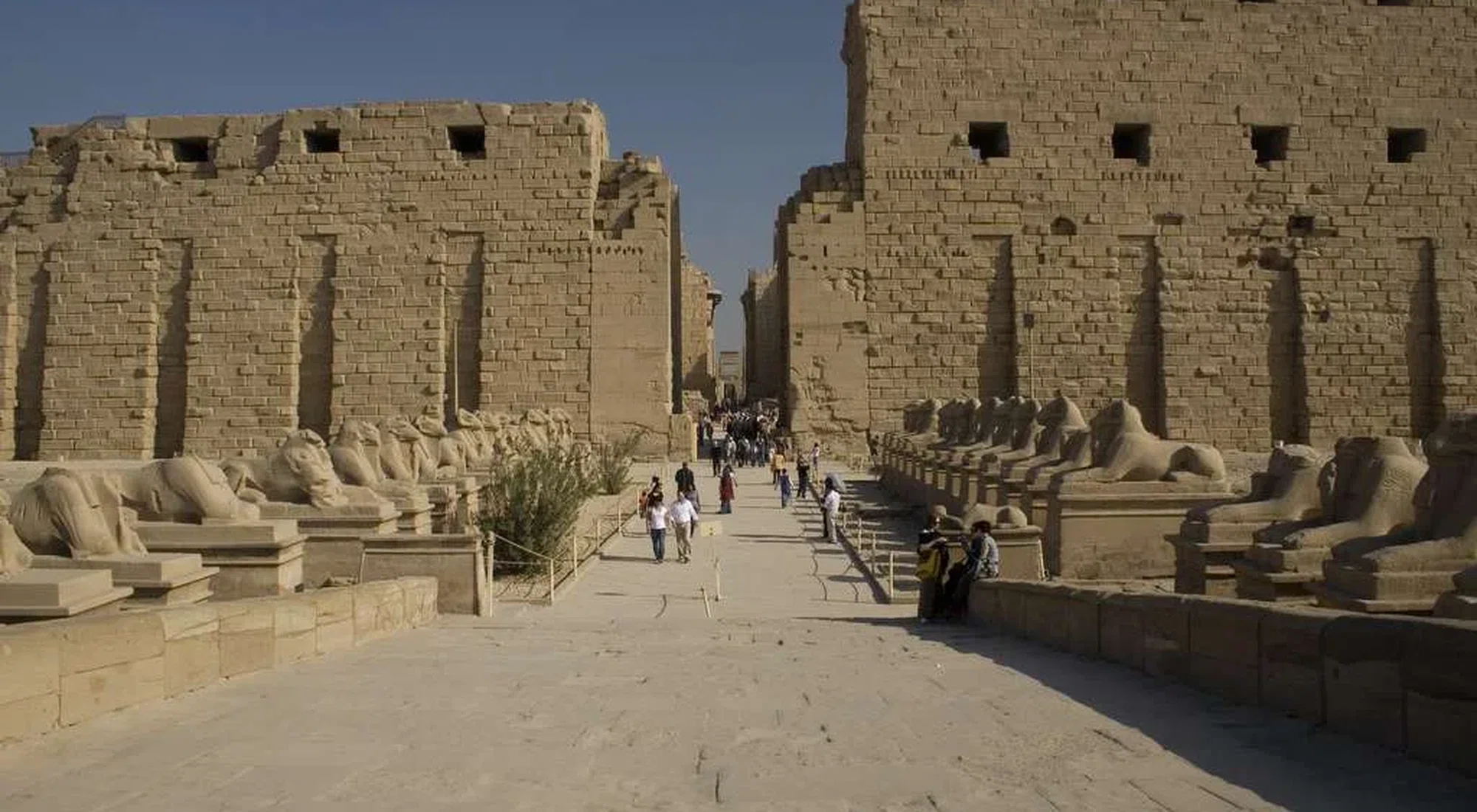
The Avenue of Sphinxes, also known as El-Kebash Road, dates back over 3,000 years to the New Kingdom period. Originally constructed to connect Karnak Temple to Luxor Temple, the avenue served as the ceremonial route for the Opet Festival, one of the most important religious events in ancient Egypt. During the festival, statues of the gods Amun, Mut, and Khonsu were paraded along the avenue, accompanied by priests, musicians, and worshippers. The sphinxes themselves, with their lion bodies and human heads, symbolized royal power and divine protection, guarding the sacred path between the temples.
For those fascinated by ancient monuments, the The Great Pyramids Of Giza offer another monumental testament to Egypt’s enduring legacy, while the Avenue of Sphinxes remains a unique example of religious and architectural grandeur.
Architectural Marvel: Design and Restoration
The avenue was originally adorned with over 1,350 sphinx statues, although only around 650 have survived the ravages of time. Each sphinx is carved from sandstone, meticulously aligned to face forward and create a sense of unity and majesty. Some sections feature ram-headed sphinxes, symbolizing the god Amun, while others have human heads. The restoration of the Avenue of Sphinxes has been one of Egypt’s most ambitious archaeological projects, culminating in its grand reopening in 2021, which drew global attention to Luxor’s rich heritage.
Visitors interested in Egypt’s diverse architectural styles will also appreciate a trip to Dahshour, home to the Bent and Red Pyramids, showcasing the evolution of pyramid construction techniques.
Walking the Sacred Path: What to Expect
Walking the Avenue of Sphinxes is a journey through time. The pathway is flanked by rows of sphinxes on either side, each one unique yet part of a harmonious whole. As you stroll along the avenue, you’ll be immersed in the tranquil atmosphere, with the Nile’s gentle breeze and the distant silhouettes of Luxor’s temples enhancing the experience. The best times to visit are early morning or late afternoon, when the golden light casts dramatic shadows across the statues and the crowds are thinner.
For detailed advice on planning your visit, including weather and crowd considerations, check out The Best Time To Visit Egypt for expert tips.
Nearby Wonders: Temples and Tombs of Luxor
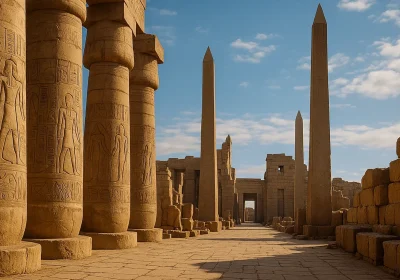
The Avenue of Sphinxes is just one of many treasures in Luxor. At its northern end lies the sprawling Karnak Temple complex, a vast network of sanctuaries, pylons, and obelisks dedicated to the Theban triad. To the south, the Luxor Temple stands as a symbol of ancient Egyptian power and artistry, especially enchanting when illuminated at night. Beyond the avenue, Luxor is home to the Valley of the Kings, the Valley of the Queens, and the Colossi of Memnon, making it a must-visit destination for anyone exploring Egypt’s ancient wonders.
If you’re intrigued by monumental statues, don’t miss the Colossi Of Memnon, two massive stone figures that have stood guard over the Theban Necropolis for millennia.
Experiencing the Avenue: Guided Tours and Nile Cruises
To truly appreciate the Avenue of Sphinxes and its surroundings, consider joining a guided tour. Knowledgeable guides bring the history and mythology of the avenue to life, offering insights that you might miss exploring on your own. Many Nile cruises include stops in Luxor, providing a seamless and luxurious way to experience the region’s highlights. Imagine stepping off your cruise ship and walking directly onto the ancient path once trod by pharaohs and priests.
For those seeking a premium experience, explore Luxury Nile Cruises that feature exclusive excursions to the Avenue of Sphinxes and other iconic sites.
Alternatively, embark on an intimate journey with Dahabiya Egypt Cruises, offering smaller vessels and personalized service for discerning travelers.
Connecting with Egypt’s Ancient Past
The Avenue of Sphinxes is more than just a tourist attraction; it is a living symbol of Egypt’s enduring connection to its past. The meticulous restoration of the avenue has reignited interest in Luxor’s role as a center of religious and political power. Walking the avenue, you can almost hear the echoes of ancient festivals and imagine the vibrant processions that once animated these stones. The experience is both humbling and inspiring, a reminder of the ingenuity and spirituality that defined ancient Egyptian civilization.
If you are curious about the broader context of Egypt’s monumental architecture, learn more about the country’s most famous tombs and burial grounds at Sakkara Necropolis, another site that showcases the evolution of Egyptian funerary practices.
Planning Your Visit: Practical Information
Visiting the Avenue of Sphinxes requires some practical planning. The site is open year-round, but the best months to visit are from October to April, when temperatures are milder. Tickets can be purchased at the entrances to Karnak or Luxor Temples, and it’s advisable to wear comfortable shoes, as the walk can be long and the ground uneven. Photography is allowed, but drones are prohibited without special permission. Don’t forget to bring water, sunscreen, and a hat, especially during the warmer months.
For those interested in a comprehensive Egyptian adventure, the 8 Days Egypt Luxury Tour includes expertly guided visits to Luxor, the Avenue of Sphinxes, and other essential sites for a seamless travel experience.
Alternatively, travelers looking for an extended journey can opt for the 11 Days Luxury Egypt Vacation, which delves deeper into Egypt’s ancient wonders and vibrant culture.
Travel Tips: Currency, Tipping, and Local Etiquette
Understanding local customs and practicalities can greatly enhance your experience in Egypt. The local currency is the Egyptian Pound (EGP), and it is recommended to carry small denominations for tips and minor purchases. Tipping is customary in Egypt, especially for guides, drivers, and service staff. Being prepared with cash and knowing the standard tipping rates will ensure smooth interactions and show appreciation for good service.
For a detailed guide on Egypt’s currency, including exchange tips and denominations, read What Is The Currency Of Egypt?.
To avoid confusion and ensure respectful travel, consult Tipping In Egypt for up-to-date advice on gratuities and local etiquette.
Enhancing Your Egyptian Adventure: Unique Itineraries
While the Avenue of Sphinxes is a highlight of any Luxor visit, Egypt offers a wealth of unique travel experiences. Consider combining your exploration of Luxor with a luxury Nile cruise, which allows you to visit multiple ancient sites in comfort and style. The Le Fayan Nile Cruise is renowned for its modern amenities and expertly curated excursions, including stops along the Nile’s most storied cities and monuments.
Experience the best of river travel with the Le Fayan Nile Cruise, which blends relaxation with cultural discovery along the Nile’s legendary waters.
If you prefer a diverse itinerary that combines city sights with coastal relaxation, the Veneer Vacation Package: Cairo & North Coast Trip is an excellent choice, offering a balance of history, culture, and leisure.
Frequently Asked Questions
What is the Avenue of Sphinxes and why is it important?
The Avenue of Sphinxes is an ancient ceremonial road in Luxor, Egypt, lined with hundreds of sphinx statues. It connected Karnak Temple with Luxor Temple and was used during the Opet Festival for religious processions. The avenue symbolizes Egypt’s rich cultural and religious heritage, making it a significant archaeological and tourist site.
How long is the Avenue of Sphinxes and how many statues are there?
The avenue stretches for approximately 2.7 kilometers (about 1.7 miles) and originally featured over 1,350 sphinx statues. Today, around 650 statues have survived and have been restored or reconstructed to give visitors a sense of the avenue’s original grandeur.
What are the opening hours and ticket prices for the Avenue of Sphinxes?
The Avenue of Sphinxes can be accessed from either Karnak Temple or Luxor Temple, both of which are open daily from early morning until evening. Ticket prices vary for locals and foreign tourists, and combination tickets are available for those wishing to explore multiple sites in Luxor.
Is it possible to visit the Avenue of Sphinxes as part of a guided tour or Nile cruise?
Yes, many guided tours and Nile cruises include visits to the Avenue of Sphinxes as part of their itineraries. Joining a tour provides valuable historical context and ensures you don’t miss key details. Luxury Nile cruises often offer exclusive access and expert guides for a more immersive experience.
What should I bring when visiting the Avenue of Sphinxes?
It is recommended to wear comfortable walking shoes, bring water, sunscreen, and a hat, especially during the warmer months. Photography is allowed, but drones require special permission. Small cash denominations are useful for tips and minor purchases.
Are there other notable sites near the Avenue of Sphinxes?
Absolutely. Luxor is home to several world-famous attractions, including Karnak Temple, Luxor Temple, the Valley of the Kings, and the Colossi of Memnon. Many visitors combine their walk along the Avenue of Sphinxes with explorations of these nearby wonders for a comprehensive ancient Egyptian experience.