
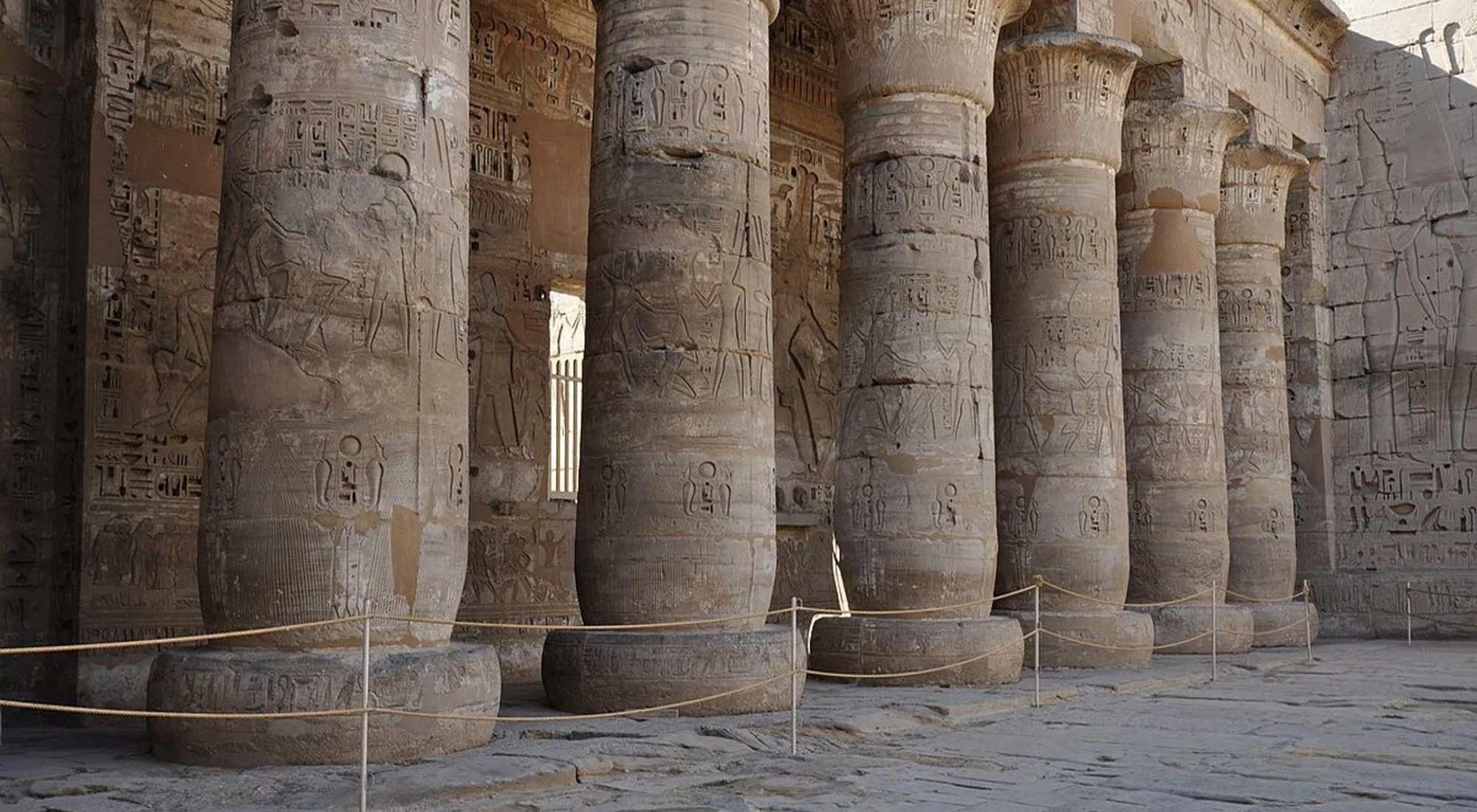
Ramesseum Temple: The Majestic Mortuary Temple of Ramses II in Luxor
Set against the timeless backdrop of Luxor’s West Bank, the Ramesseum Temple stands as a monumental testament to the grandeur and ambition of Ramses II, one of ancient Egypt’s most celebrated pharaohs. Often overshadowed by the more frequented temples of Karnak and Luxor, the Ramesseum offers a quieter, yet equally awe-inspiring, experience for history lovers and cultural explorers. This colossal mortuary temple is not only a marvel of ancient engineering but also a living chronicle of Egypt’s golden age. In this comprehensive guide, we’ll unveil the fascinating history, architectural wonders, and visitor tips for the Ramesseum Temple, ensuring your journey to this ancient masterpiece is truly unforgettable.
The History and Significance of the Ramesseum Temple
The Ramesseum was built by Ramses II, also known as Ramses the Great, during the 13th century BCE. Dedicated primarily to the god Amun and to Ramses himself, the temple served both as a place of worship and a monument to the king’s enduring legacy. The temple complex once included massive pylons, courtyards, hypostyle halls, and storied reliefs depicting Ramses’s military victories, most notably the Battle of Kadesh. Over time, earthquakes, floods, and looting have reduced much of the temple to ruins, yet its grandeur still captivates visitors. The Ramesseum’s significance lies not only in its size and beauty but also in the wealth of historical inscriptions that provide insight into the political, religious, and social life of New Kingdom Egypt.
If you’re interested in exploring other remarkable temple complexes in Egypt, don’t miss the Dendera Temple Complex, which is renowned for its intricate astronomical ceilings and well-preserved structures.
Architectural Marvels: Exploring the Temple Layout
The Ramesseum’s architecture is a masterclass in ancient Egyptian design. The temple is oriented northwest to southeast, with a grand entrance pylon adorned with scenes of Ramses II’s exploits. Beyond the pylon lies a vast open courtyard, once flanked by colossal statues of the pharaoh. The hypostyle hall, with its towering columns, is decorated with vibrant reliefs depicting religious ceremonies and offerings to the gods. One of the temple’s most famous features is the fallen statue of Ramses II, which originally stood over 17 meters tall and weighed nearly 1,000 tons. The temple’s storerooms, chapels, and subsidiary structures all reflect the sophistication of New Kingdom construction techniques.
For travelers seeking a deeper dive into Egypt’s architectural wonders, the Temple of Hathor (Dendera complex) offers another excellent example of ancient craftsmanship and artistry.
Highlights and Must-See Features of the Ramesseum
While much of the Ramesseum has succumbed to the ravages of time, several features remain essential viewing for any visitor. The colossal fallen statue of Ramses II is a highlight, its shattered remains evoking both the pharaoh’s ambition and the impermanence of human achievement. The hypostyle hall’s columns are adorned with vivid reliefs that have retained much of their original color, offering a glimpse into the temple’s former splendor. Don’t miss the wall inscriptions detailing the Battle of Kadesh, which are among the most famous military records from ancient Egypt. The temple’s rear sanctuaries, though partially ruined, still house traces of their original decoration and religious significance.
Nearby, you can also visit the Dandara Temple, another site celebrated for its well-preserved reliefs and captivating history.
Visiting the Ramesseum: Practical Information and Tips
The Ramesseum is located on Luxor’s West Bank, not far from the famed Valley of the Kings and other significant archaeological sites. The best time to visit is during the cooler morning hours, especially from October to April, when temperatures are more comfortable. Entrance fees are modest, and the site is typically less crowded than other major temples, allowing for a relaxed, contemplative visit. Wear comfortable shoes, bring water, and don’t forget your camera—photography is permitted throughout most of the site. Hiring a knowledgeable local guide can greatly enhance your understanding of the temple’s history and iconography.
If you’re planning a luxury trip to Egypt, consider browsing the Luxury Egypt Tours category for curated experiences that include expert guides, private transfers, and exclusive access to Egypt’s most iconic sites, including the Ramesseum.
Combining the Ramesseum with Other West Bank Wonders
The Ramesseum is ideally situated for inclusion in a broader West Bank itinerary. Nearby attractions include the Valley of the Kings, the Valley of the Queens, Medinet Habu, and the Colossi of Memnon. Medinet Habu, also known as the Habu Temple, is particularly noteworthy for its well-preserved reliefs and imposing architecture. Exploring these sites together offers a comprehensive overview of Theban mortuary culture and the evolution of temple design. Many local tour operators offer full-day or half-day excursions that bundle the Ramesseum with other must-see monuments.
For a detailed exploration of Medinet Habu, check out the Habu Temple guide, which delves into its unique features and historical context.
Planning Your Egypt Adventure: Tours and Nile Cruises
To make the most of your time in Luxor and beyond, consider booking a comprehensive Egypt tour package. Many packages include guided visits to the Ramesseum, as well as other ancient wonders in Cairo, Aswan, and Alexandria. For those seeking a blend of culture and relaxation, the Cairo & Sharm El Sheikh Holiday – 8 Days of Culture & Relaxation is an excellent choice, offering a seamless mix of sightseeing and leisure along the Red Sea.
Alternatively, a Nile cruise is a classic way to experience Egypt’s most iconic sites. The Mayfair Nile Cruise provides a luxurious journey between Luxor and Aswan, with guided stops at temples, tombs, and other archaeological treasures.
Choosing the Right Travel Company for Your Egyptian Journey
With so many tour operators and travel agencies offering trips to Egypt, selecting a reputable company is crucial for a safe and enjoyable experience. Look for agencies with a proven track record, knowledgeable guides, and transparent pricing. Reading reviews and seeking recommendations can help you avoid scams and ensure high-quality service. For a comprehensive overview of what to look for, read How To Find The Best Travel Agency In Egypt, which offers valuable tips for travelers.
Additionally, if you want to avoid common pitfalls and ensure a smooth trip, the article How To Choose A Reliable Tour Operators In Egypt And Avoid Scams provides practical advice based on real traveler experiences.
Egypt Tour Packages: Making the Most of Your Visit
Organized tour packages are a convenient way to explore Egypt’s diverse attractions without the stress of planning every detail. Whether you’re interested in ancient history, local culture, or modern comforts, there’s a package to suit your needs. The Treasures of Cairo: 5 Days of Ancient Wonders & Local Life package, for example, offers an immersive introduction to Egypt’s capital and its surrounding archaeological sites, with expert guides and thoughtfully curated experiences.
If you’re traveling as a couple or newlyweds, the Honeymoon Egypt Tours category features romantic itineraries that combine iconic landmarks with luxurious accommodations and memorable moments.
Travel Tips for US Visitors and Beyond
Egypt is a welcoming destination for travelers from around the world, including the United States. Safety, service, and value are top concerns for many visitors. For US travelers, it’s important to choose travel companies that understand your needs and offer reliable support throughout your journey. The guide Best Egypt Travel Companies For US Travelers: Safety, Service & Prices highlights trusted operators who prioritize your comfort and security.
For those interested in exploring beyond Luxor, consider adding a Private Full-Day Transfer to Alexandria to your itinerary. This convenient day tour allows you to discover the Mediterranean city’s rich history and vibrant culture with ease.
Crafting Your Own Itinerary: Top Egypt Tour Packages and Customization
Every traveler’s interests are unique, and Egypt’s diverse offerings make it easy to customize your adventure. Whether you want to focus on ancient temples, bustling markets, or scenic landscapes, there are options to suit every preference. For inspiration and sample itineraries, consult the article Top Egypt Tour Packages: Itineraries & Inclusions, which outlines a variety of travel styles and must-see destinations.
By working with a knowledgeable tour operator, you can tailor your journey to include special interests, private experiences, and exclusive access to sites like the Ramesseum.
Frequently Asked Questions
What is the Ramesseum Temple and why is it important?
The Ramesseum is the mortuary temple of Ramses II, located on Luxor’s West Bank. It’s significant for its impressive architecture, colossal statues, and detailed reliefs depicting the pharaoh’s military campaigns and religious rituals. The temple provides valuable insights into New Kingdom Egypt and the legacy of Ramses the Great.
How do I get to the Ramesseum Temple?
The Ramesseum is easily accessible from Luxor’s city center, typically via taxi, private car, or as part of a guided tour. Many comprehensive Egypt tours and Nile cruises include the Ramesseum in their itineraries, making it convenient for visitors to explore multiple sites in one day.
What should I bring when visiting the Ramesseum?
Wear comfortable walking shoes, bring a hat and sunscreen, and carry water, especially during warmer months. A camera is essential for capturing the temple’s stunning reliefs and statues. Hiring a local guide is recommended for a deeper understanding of the site’s history.
Are there other notable temples near the Ramesseum?
Yes, the West Bank is home to numerous significant sites, including the Valley of the Kings, Medinet Habu, and the Colossi of Memnon. The Dendera Temple Complex and the Temple of Hathor are also within reach and offer remarkable examples of ancient Egyptian architecture.
Can I visit the Ramesseum as part of a Nile cruise?
Many Nile cruises, such as the Mayfair Nile Cruise, include stops in Luxor with guided tours of major temples, including the Ramesseum. This is a convenient and comfortable way to experience Egypt’s historical treasures while enjoying the scenery of the Nile River.
Is the Ramesseum suitable for families and children?
Yes, the Ramesseum is a family-friendly site. Children will enjoy exploring the vast courtyards and towering statues. However, be mindful of uneven ground and respect the preservation of ancient structures by not climbing on ruins.


