Karnak Temple: The Majestic Heart of Ancient Egypt
Rising from the sun-baked plains of Luxor, Karnak Temple stands as one of the most awe-inspiring monuments of the ancient world. This sprawling complex, dedicated to the Theban triad of Amun, Mut, and Khonsu, is not just a testament to Egypt's architectural prowess, but also a living chronicle of over two thousand years of pharaonic history. For travelers, Karnak offers a mesmerizing journey through massive pylons, forest-like columns, and sacred lakes—an experience that lingers long after your visit. Whether you are a history buff, a spiritual seeker, or simply an adventurer, Karnak Temple is a must-see destination that will ignite your imagination and deepen your appreciation for Egypt’s enduring legacy.
The Historical Significance of Karnak Temple
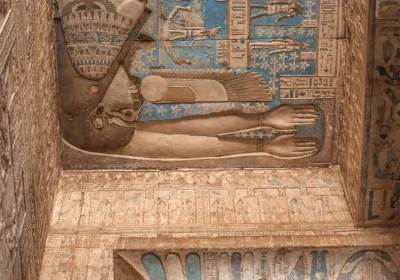
Karnak Temple is not just a single structure, but a vast complex that evolved over centuries. Construction began during the Middle Kingdom (around 2000 BCE) and continued through the New Kingdom and beyond, with each pharaoh leaving their mark. The temple was the spiritual center of Thebes and the main place of worship for the god Amun-Ra. Its significance is reflected in the sheer scale and grandeur of its architecture, as well as in the intricate carvings that adorn its walls, recounting the triumphs and rituals of ancient Egypt.
For those interested in exploring more of Egypt’s rich tapestry of ancient sites, the Temple Of Hatshepsut is another remarkable attraction that reveals the power and artistry of Egypt’s pharaohs.
Exploring the Hypostyle Hall: An Architectural Marvel
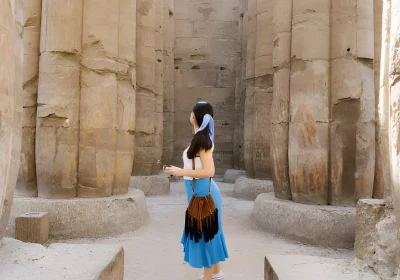
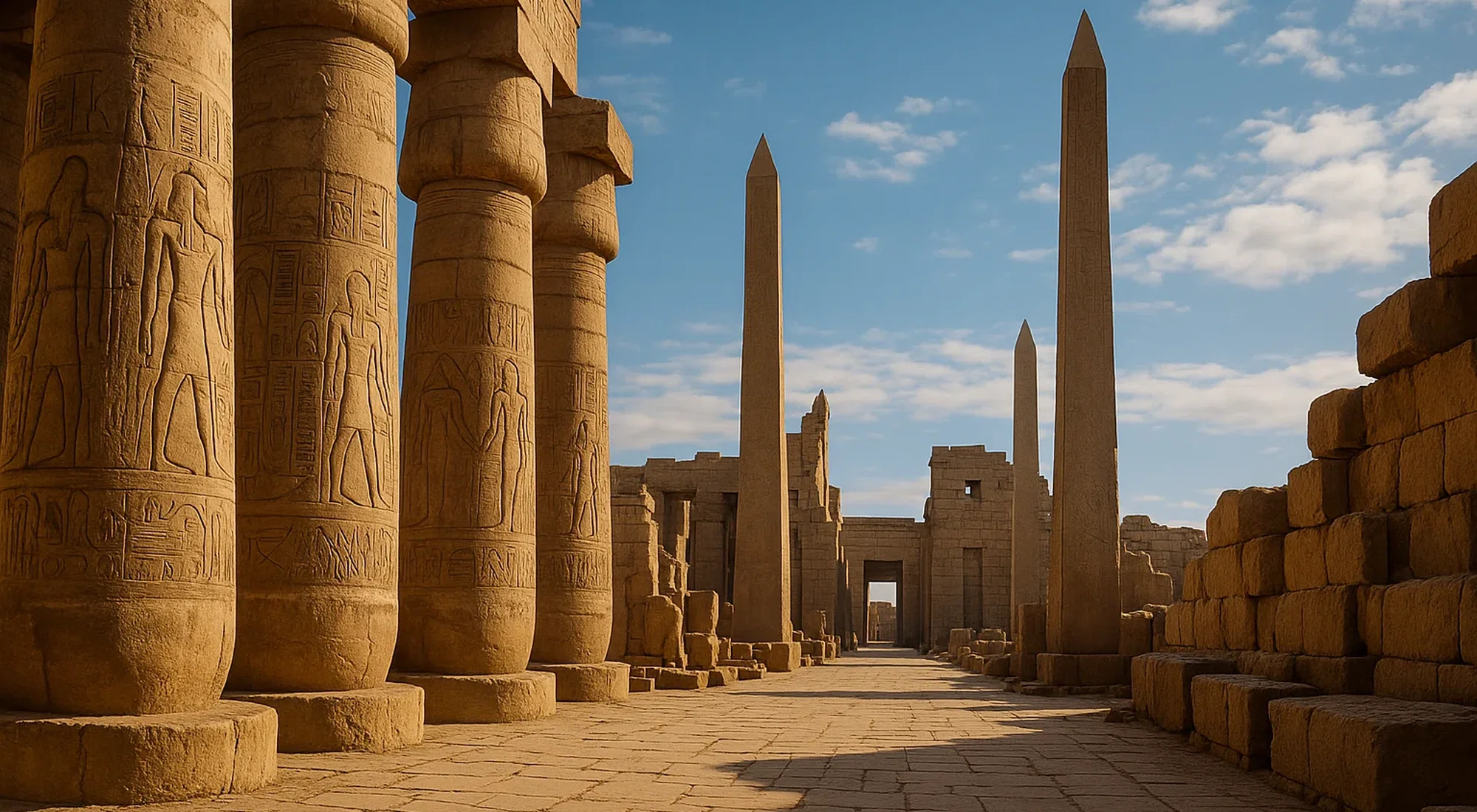
One of Karnak’s most iconic features is the Great Hypostyle Hall. Covering an area of 5,000 square meters, this hall contains 134 massive columns arranged in 16 rows, some reaching heights of over 20 meters. The columns are adorned with exquisite hieroglyphs and scenes depicting the might of pharaohs such as Seti I and Ramses II. Walking through this forest of stone, visitors often feel dwarfed by the scale and grandeur, as beams of sunlight filter through the open roof, casting dramatic shadows on the carved reliefs.
To truly appreciate the diversity of Egypt’s temple architecture, consider visiting the Ramesseum Temple, another monumental site that showcases the legacy of Ramses II.
The Sacred Lake and the Avenue of Sphinxes
Beyond its towering columns, Karnak is home to the Sacred Lake, a tranquil body of water used for ritual purification by priests. The lake’s reflective surface offers a moment of serenity amid the grandeur, and it’s a favorite spot for photographers, especially at sunset. Another highlight is the Avenue of Sphinxes—a ceremonial road lined with ram-headed sphinxes that once connected Karnak with Luxor Temple. This ancient processional route was the stage for grand religious festivals, including the Opet Festival, where statues of the gods were paraded between the temples.
If you’re planning your Egyptian adventure, you can discover more about the country’s must-see attractions by checking out Things To Do In Egypt, which offers inspiration for every kind of traveler.
Planning Your Visit: When and How to Experience Karnak
The best time to visit Karnak Temple is during the cooler months, from October to April, when temperatures are more comfortable for exploring. Early mornings or late afternoons are ideal to avoid crowds and enjoy the magical light that bathes the ancient stones. Guided tours are highly recommended, as they provide valuable context and help you navigate the vast site. Don’t miss the Sound and Light Show held in the evenings, which brings the temple’s history to life through dramatic narration and stunning illuminations.
For travelers seeking a comprehensive and seamless experience, the 11 Days Luxury Egypt Tour Package includes guided visits to Karnak and other iconic sites, ensuring you make the most of your time in Egypt.
Karnak Temple in the Context of Luxor’s Attractions
Karnak is just one of many treasures in Luxor, a city often referred to as the world’s greatest open-air museum. In addition to Karnak, visitors can explore the nearby Luxor Temple, the Valley of the Kings, and several other ancient monuments. Each site offers a unique perspective on Egypt’s history, from the tombs of pharaohs to the mortuary temples that line the west bank of the Nile. Luxor is also a gateway to other remarkable attractions, such as the Habu Temple, which boasts some of the best-preserved reliefs in all of Egypt.
For families and groups, the Egypt Family Tours category offers thoughtfully designed itineraries that cater to travelers of all ages, ensuring a memorable and educational journey through Luxor and beyond.
Combining Karnak with Other Ancient Wonders
No trip to Egypt is complete without experiencing the diversity of its ancient wonders. After marveling at Karnak, consider venturing to Aswan to witness the enchanting Temple Of Philae, dedicated to the goddess Isis. This island sanctuary is renowned for its beautiful setting and intricate carvings, providing a perfect complement to the grandeur of Karnak. Many travelers choose to explore Egypt’s temples and tombs as part of a multi-day itinerary, which can include both guided tours and free time for independent discovery.
If you’re seeking expert guidance and peace of mind during your travels, it’s important to know How To Choose A Reliable Tour Operators In Egypt And Avoid Scams to ensure a safe and rewarding experience.
Experiencing Karnak by Nile Cruise
One of the most unforgettable ways to visit Karnak is as part of a Nile cruise. These river journeys offer a unique perspective on Egypt’s landscapes, allowing you to travel in comfort while stopping at key sites along the way. Cruising between Luxor and Aswan, you’ll enjoy guided excursions to Karnak, Luxor Temple, the Valley of the Kings, and more. The Mayfair Nile Cruise is a popular choice for those seeking luxury, relaxation, and in-depth exploration of Egypt’s ancient wonders.
For a deeper dive into Egypt’s most captivating cities and their attractions, explore the guide to Best Cities To Visit In Egypt and plan your journey accordingly.
Customizing Your Karnak Experience: Private and Family Tours
Every traveler’s interests are unique, and Egypt offers a variety of ways to tailor your Karnak adventure. Private tours provide flexibility, personalized attention, and the chance to explore at your own pace. Whether you’re a solo explorer, a couple, or a small group, the Egypt Private Tours category features curated experiences that can be adapted to your preferences. For families, engaging guides and interactive activities help bring history to life for younger visitors, making Karnak both educational and fun.
If you’re looking for a comprehensive journey that covers both Egypt’s ancient heartlands and the wonders of Nubia, the 09 Days Egypt and Nubia Tour is an excellent option, combining Karnak with other legendary sites.
Practical Tips for Visiting Karnak Temple
To make the most of your visit to Karnak, consider these practical tips. Wear comfortable shoes, as the site is expansive and involves a fair amount of walking. Bring sun protection—hats, sunscreen, and water are essential, especially during the warmer months. Photography is allowed, but tripods may require special permission. Take your time to explore the smaller chapels, obelisks, and reliefs, which often hold fascinating details overlooked by many visitors.
If you crave adventure beyond the temples, you might be interested in the Dahab & Blue Hole Adventure – Sea, Desert, and Culture in One Day, which offers a contrast to the ancient wonders of Luxor with its blend of natural beauty and cultural experiences.
For those crafting their own itinerary, it’s worth browsing Top Egypt Tour Packages: Itineraries & Inclusions to find an option that matches your interests, budget, and travel style.
Frequently Asked Questions
What is the best time of day to visit Karnak Temple?
The early morning and late afternoon are the best times to visit Karnak Temple. These periods offer cooler temperatures, softer lighting for photography, and fewer crowds, allowing you to enjoy the site in a more peaceful and comfortable setting.
How long should I plan to spend at Karnak Temple?
Most visitors spend between two to three hours exploring Karnak Temple. However, history enthusiasts may wish to stay longer to fully appreciate the details of the reliefs, columns, and smaller chapels scattered throughout the complex.
Is Karnak Temple suitable for children and families?
Yes, Karnak Temple is suitable for families and children. The vast open spaces and impressive structures captivate visitors of all ages. Family-friendly tours often include engaging stories and interactive activities to keep younger travelers interested.
Can I visit Karnak Temple as part of a guided tour?
Absolutely. Many guided tours include Karnak Temple as a highlight of their itinerary. Guided visits provide valuable historical context and help you navigate the complex’s extensive grounds. Private and group tours are both widely available.
Are there other attractions near Karnak Temple worth visiting?
Yes, Luxor is home to several world-class attractions near Karnak, including Luxor Temple, the Valley of the Kings, the Temple of Hatshepsut, and Habu Temple. These sites together offer a comprehensive view of ancient Egyptian civilization.
What should I wear when visiting Karnak Temple?
It’s best to wear comfortable walking shoes, lightweight clothing, and a hat for sun protection. Modest dress is recommended out of respect for local customs. Don’t forget to bring sunscreen and plenty of water, especially during warmer months.