Best Souvenirs From Egypt That Are Not Tourist Traps
Egypt, a land of pharaohs and pyramids, is a treasure trove for travelers seeking meaningful mementos. While the bustling bazaars and souvenir stands overflow with trinkets, the best keepsakes are those that tell a genuine story of Egyptian culture, artistry, and history. If you want to avoid the mass-produced magnets and plastic pyramids, dive into this guide for authentic souvenirs that capture the true spirit of Egypt—without falling for tourist traps.
Handcrafted Alabaster and Stone Artifacts
Egypt has a long tradition of stone carving, dating back to ancient times. Genuine alabaster vases, bowls, and statues are hand-carved by skilled artisans, particularly in Luxor and Aswan. These pieces are often inspired by ancient Egyptian motifs, such as lotus flowers, scarabs, and gods. When shopping, look for workshops where you can see the carving process firsthand, ensuring authenticity. Avoid items that feel suspiciously light or have visible seams, as these are likely factory-made imitations.
For a deeper appreciation of Egypt’s stonework, don’t miss visiting the Unfinished Obelisk, where you can witness the scale and skill involved in ancient stone carving. This experience will help you recognize quality craftsmanship when souvenir hunting.
Traditional Egyptian Textiles and Clothing
Textiles are among the most cherished and practical souvenirs from Egypt. Look for handwoven scarves, tablecloths, and galabeyas (traditional robes) in vibrant colors and intricate patterns. The city of Aswan is famous for its Nubian-style fabrics, while Cairo’s Khan El Khalili bazaar offers a wide variety of cotton and linen garments.
If you’re wondering what to bring home for friends or how to dress appropriately during your travels, consult this helpful guide: What To Wear In Egypt. These authentic textiles not only make for beautiful souvenirs but also serve as a functional reminder of your journey.
Unique Jewelry and Accessories
Egyptian jewelry is renowned for its symbolic designs and use of semi-precious stones like lapis lazuli, turquoise, and carnelian. Seek out pieces that feature ancient motifs such as the ankh, Eye of Horus, or cartouches customized with your name in hieroglyphics. Gold and silver jewelry, crafted using traditional methods, is widely available in reputable shops and markets.
For a truly memorable experience, consider exploring jewelry shops in the historic districts of Cairo or in the Nubian villages near Aswan. The The Nubian Village is especially known for its vibrant crafts and unique jewelry styles that reflect the region’s rich heritage.
Authentic Papyrus Art
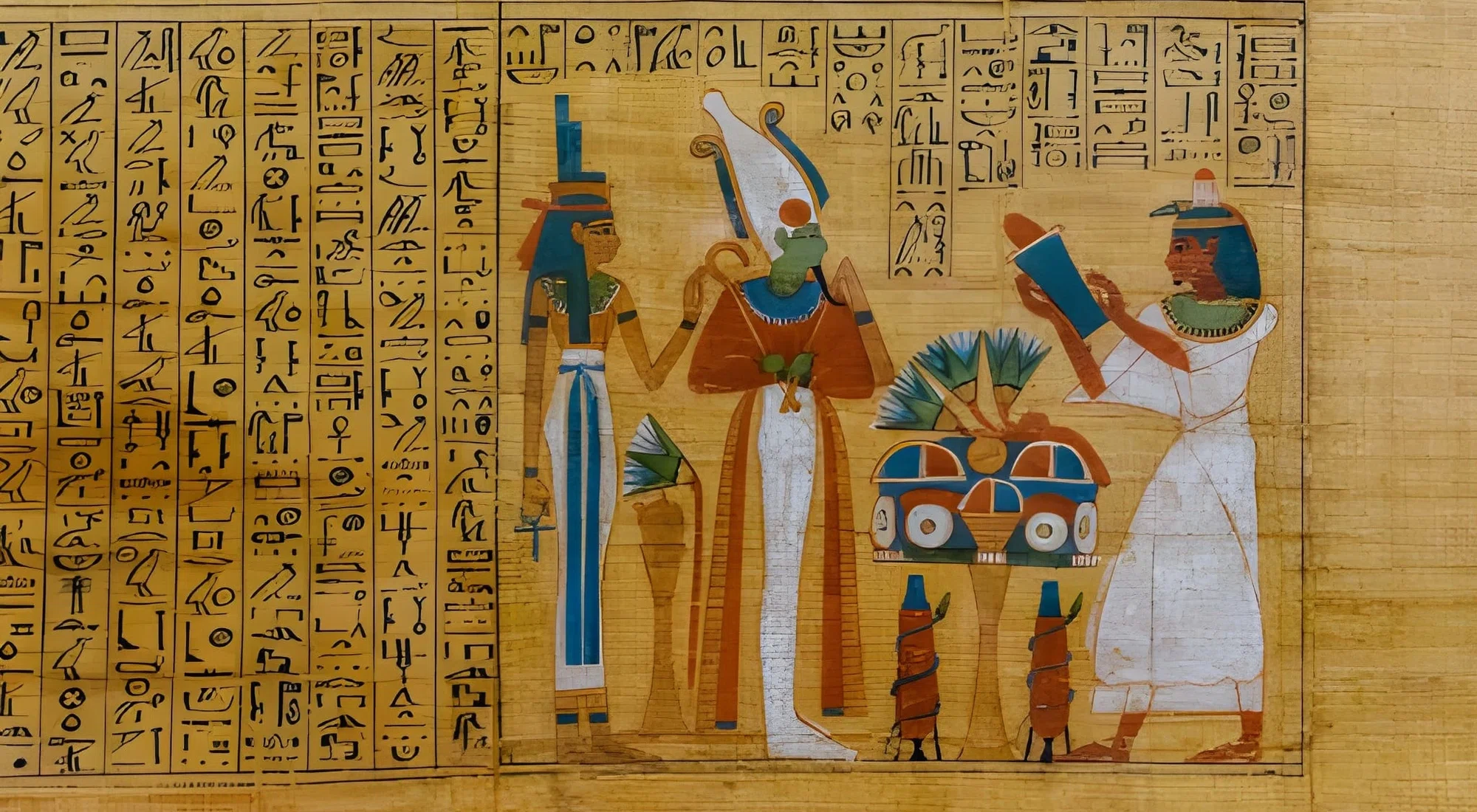
Papyrus, the world’s first paper, was invented in Egypt and remains a popular souvenir. Authentic papyrus is made from the pith of the papyrus plant and is both durable and beautiful. Look for workshops where artisans demonstrate the traditional method of papyrus making, and select hand-painted pieces depicting scenes from Egyptian mythology, daily life, or hieroglyphic texts.
Beware of cheap imitations made from banana leaves or other materials. Reputable papyrus institutes in Cairo and Luxor offer certificates of authenticity. For more inspiration on what to do in Egypt, check out Things To Do In Egypt, which includes recommendations for authentic shopping experiences.
Perfume Oils and Fragrance Bottles
Egypt’s perfume industry dates back thousands of years, with ancient Egyptians using oils for religious rituals and personal adornment. Today, you can find high-quality, alcohol-free perfume oils in ornate glass bottles. These oils are often made using recipes passed down through generations, featuring scents like jasmine, lotus, sandalwood, and amber.
Visit a reputable perfumery, where staff will explain the origins of each scent and allow you to sample blends. The experience of choosing your own fragrance and watching it poured into a hand-blown glass bottle is a unique Egyptian memory in itself. If you’re planning your itinerary, browse How Many Days In Egypt for tips on fitting a perfume workshop into your trip.
Handmade Pottery and Ceramics
Pottery has been an integral part of Egyptian life since pharaonic times. Today, artisans craft beautiful bowls, plates, and vases using traditional techniques in villages along the Nile. Each piece is unique, often decorated with geometric patterns or motifs inspired by ancient Egypt. Pottery from the Fayoum region is especially prized for its distinctive glazes and colors.
To immerse yourself in Egypt’s artistic traditions, consider joining a pottery workshop or visiting local studios. Many tours offer hands-on experiences, such as the 5 Day Luxury Egypt Tour, which includes opportunities to explore local crafts and interact with artists.
For those interested in a longer, more immersive journey, the 7 Days Luxury Egypt Trip offers a deeper dive into Egypt’s cultural treasures, including visits to artisan workshops and markets.
Traditional Spices and Culinary Delights
No trip to Egypt is complete without sampling its aromatic spices and culinary specialties. Bring home a taste of Egypt with packets of spices like cumin, coriander, hibiscus, and dukkah, or try local sweets such as basbousa, dates, and halawa. These edible souvenirs are best purchased from established spice markets or local grocery stores, where you can find the freshest products and authentic blends.
For a day packed with culinary and cultural experiences, consider booking the Cairo Day Trip: Pyramids of Giza, Sphinx & Grand Egyptian Museum. This tour not only showcases Egypt’s iconic sites but also offers opportunities to explore local markets and savor traditional flavors.
If you want to discover even more about Egypt’s diverse destinations, read Best Cities To Visit In Egypt, which highlights the best places for foodies and shoppers alike.
Books, Calligraphy, and Cultural Treasures
For travelers seeking intellectual souvenirs, Egypt’s bookstores and calligraphy shops are a haven. Pick up books on Egyptian history, mythology, or art, many of which are available in English. Handwritten Arabic calligraphy, whether on parchment, leather, or canvas, makes for a personalized and meaningful gift.
To explore Egypt’s wonders at your own pace and discover hidden gems, browse Egypt Private Tours, which can be tailored to include visits to cultural sites, libraries, and artisan studios.
Travelers from the United States may be interested in curated options like Egypt Tours Packages from USA, which ensure a comprehensive and immersive experience, including opportunities to collect authentic cultural souvenirs.
Artisan Carpets and Rugs
Egyptian carpets and rugs, particularly those from the villages of Fowa and El Arish, are woven by hand using traditional techniques passed down through generations. These carpets often feature intricate geometric or floral patterns and are made from high-quality wool or silk. While these pieces can be a significant investment, they are durable, beautiful, and imbued with cultural significance.
To enrich your journey, consider incorporating a Nile cruise, such as the Meroe, into your itinerary. Cruising the Nile allows you to visit small villages and markets where you can purchase carpets directly from the weavers, supporting local communities and ensuring authenticity.
While exploring iconic sites like the Sphinx Statue and The Great Pyramids Of Giza, you’ll find opportunities to shop at reputable vendors who offer genuine artisan carpets and other high-quality souvenirs.
Frequently Asked Questions
What souvenirs should I avoid in Egypt?
It’s best to avoid mass-produced items like plastic pyramids, fake papyrus, and low-quality jewelry. These are often imported or made with inferior materials. Instead, seek out handmade crafts from reputable workshops or local artisans for authentic Egyptian mementos.
How can I tell if a souvenir is authentic?
Authentic souvenirs are usually handcrafted and may come with a certificate of authenticity, especially for items like papyrus and jewelry. Visiting workshops, observing the creation process, and buying from established vendors are good ways to ensure quality and authenticity.
Where are the best places to shop for souvenirs in Egypt?
Markets in Cairo, Luxor, and Aswan are renowned for quality crafts. Khan El Khalili in Cairo is famous for textiles and jewelry, while Aswan’s Nubian markets excel in unique handmade artifacts. Artisan villages along the Nile and reputable workshops also offer authentic options.
Are there restrictions on bringing certain souvenirs home?
Some antiques and culturally significant artifacts cannot be exported from Egypt. Always check with the vendor and your home country’s customs regulations before purchasing old coins, ancient relics, or animal products. Most modern crafts, textiles, and packaged spices are safe to bring home.
What is the best way to pack fragile souvenirs?
Wrap fragile items like alabaster, ceramics, and perfume bottles in clothing or bubble wrap and place them in the center of your suitcase. Ask vendors for protective packaging and consider carrying especially delicate items in your hand luggage.
Can I bargain when shopping for souvenirs in Egypt?
Bargaining is a common practice in Egyptian markets. Approach it with a friendly attitude, and don’t be afraid to negotiate. However, in fixed-price shops, especially those selling high-quality crafts or in museums, prices are usually non-negotiable.