The Great Pyramids of Giza: A Timeless Wonder of the Ancient World
The Great Pyramids of Giza have captivated travelers, historians, and adventurers for centuries. Rising from the golden sands on the outskirts of Cairo, these monumental structures are the last surviving wonders of the ancient world and remain a testament to the ingenuity and ambition of ancient Egyptian civilization. Whether you are drawn by their historical significance, architectural brilliance, or the sense of awe they inspire, a visit to the Pyramids of Giza is a journey into the heart of human achievement, mystery, and enduring legacy.
The Historical Significance of the Giza Pyramids
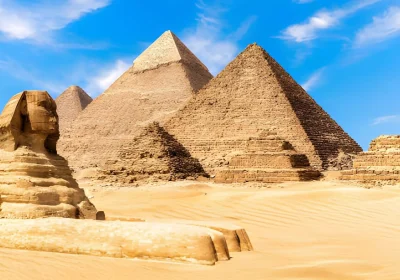
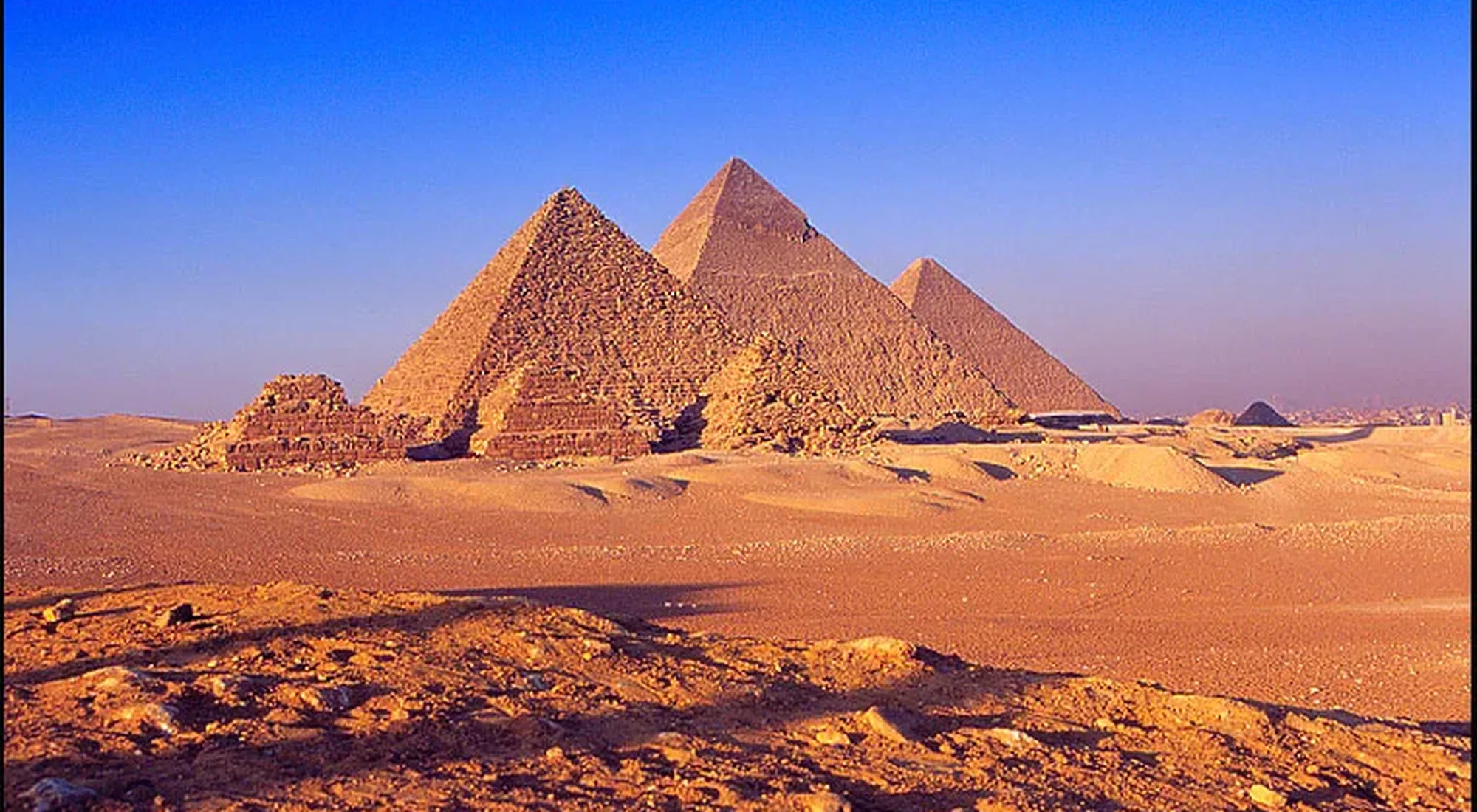
The Pyramids of Giza are among the oldest and most iconic monuments in human history. Constructed during Egypt’s Fourth Dynasty, around 2580–2560 BCE, these pyramids served as grand tombs for pharaohs and their consorts. The complex includes three primary pyramids: the Great Pyramid of Khufu (Cheops), the Pyramid of Khafre (Chephren), and the Pyramid of Menkaure (Mykerinos), each aligned with remarkable precision to the cardinal points. The Great Pyramid, in particular, was the tallest man-made structure in the world for over 3,800 years and remains a marvel of engineering and architectural prowess. These monuments not only reflect the Egyptians’ profound spiritual beliefs in the afterlife but also demonstrate their advanced knowledge of mathematics, astronomy, and construction.
Planning Your Visit: When to Go and What to Expect
Visiting the Pyramids of Giza is a year-round possibility, but the best time to explore the site is during the cooler months from October to April. During this period, the temperatures are milder, making it more comfortable to walk around the vast archaeological site. The pyramids are open daily, typically from 8:00 AM to 5:00 PM, with slightly shorter hours during the holy month of Ramadan. Arriving early in the morning or later in the afternoon helps you avoid the crowds and the midday heat. Be prepared for security checks at the entrance, and consider hiring a licensed guide to enrich your experience with fascinating stories and historical insights.
Exploring the Pyramids: Khufu, Khafre, and Menkaure
The monumental trio of pyramids at Giza each has its own unique characteristics. The Great Pyramid of Khufu is the largest and most famous, originally standing at 146.6 meters (481 feet). Visitors can enter the Great Pyramid for an additional fee, venturing through narrow passageways to reach the burial chamber deep within the structure. The Pyramid of Khafre, slightly smaller but appearing taller due to its elevated location and the remnants of its limestone casing, is flanked by the Great Sphinx. The smallest of the three, the Pyramid of Menkaure, is notable for the remains of its mortuary temple and the traces of its original granite casing. Exploring each pyramid offers a unique perspective on ancient Egyptian funerary practices and architectural evolution.
The Great Sphinx: Guardian of the Necropolis
No visit to Giza is complete without marveling at the enigmatic Great Sphinx. Carved from a single limestone outcrop, the Sphinx measures 73 meters long and 20 meters high, with the body of a lion and the head believed to represent Pharaoh Khafre. The Sphinx has inspired countless legends and continues to intrigue visitors with its mysterious expression and missing nose. Located just in front of the Pyramid of Khafre, the Sphinx is best viewed in the soft light of early morning or late afternoon, when the play of shadows accentuates its majestic features. Don’t miss the nearby Sphinx Temple, which adds further depth to the archaeological landscape of Giza.
Beyond the Pyramids: The Giza Plateau and Surroundings
The Giza Plateau is more than just the three main pyramids and the Sphinx. The site is dotted with smaller queens’ pyramids, mastabas (noble tombs), and ancient temples. Many of these lesser-known structures can be explored on foot, offering a quieter and more contemplative experience away from the main crowds. The Solar Boat Museum, located near the Great Pyramid, houses the reconstructed Khufu ship—a full-sized vessel buried to serve the pharaoh in the afterlife. Walking the plateau, you’ll encounter stunning views of the pyramids against the backdrop of the modern city, a striking juxtaposition of ancient and contemporary Egypt.
Practical Tips for Visitors
To make the most of your visit, wear comfortable shoes suitable for walking on uneven surfaces, and bring sun protection such as hats, sunglasses, and sunscreen. Carry bottled water, as the desert environment can be dehydrating, especially in the warmer months. Photography is allowed in most outdoor areas, but restrictions apply inside the pyramids and certain tombs, so check signage or ask your guide. While camel and horse rides are available around the plateau, be sure to agree on a price beforehand and use reputable operators for an ethical and enjoyable experience. Finally, respect the site’s historical significance by not climbing on the pyramids or removing any artifacts.
How to Get There: Transportation and Accessibility
The Giza Pyramids are located about 20 kilometers (12 miles) southwest of downtown Cairo. The most convenient way to reach the site is by taxi or ride-sharing apps, which offer a direct and comfortable journey. Public buses and the Cairo Metro (with a transfer to local taxis at the Giza station) are also available for budget-conscious travelers. Many hotels and tour companies offer organized excursions, which can include transportation, guides, and entrance fees. The site is partially accessible to visitors with limited mobility, though some areas remain challenging due to sandy terrain and uneven pathways. Plan your route in advance and allow plenty of time to fully explore the complex.
Experiencing the Sound and Light Show
One of the most memorable ways to experience the Pyramids of Giza is by attending the nightly Sound and Light Show. This spectacular event brings the ancient monuments to life with dramatic lighting, music, and narration that recounts the history and legends of the pharaohs. The show is presented in several languages and offers a unique perspective on the pyramids after dark, when the crowds have dispersed, and the desert air cools. Tickets can be purchased at the entrance or through tour operators, and it’s advisable to arrive early to secure a good seat. The show provides an evocative and atmospheric conclusion to a day spent exploring the wonders of Giza.
Nearby Attractions: Enhancing Your Giza Experience
While the pyramids are the star attraction, the surrounding area offers additional sites worth exploring. The Grand Egyptian Museum (GEM), located a short distance from the plateau, showcases an unparalleled collection of ancient artifacts, including treasures from Tutankhamun’s tomb. Old Cairo, with its vibrant bazaars, historic mosques, and Coptic churches, is easily accessible for those wishing to delve deeper into Egypt’s rich cultural tapestry. For a change of pace, consider a felucca ride on the Nile or a visit to the bustling Khan el-Khalili market, where you can shop for souvenirs and sample traditional Egyptian cuisine. Combining your pyramid adventure with these nearby attractions ensures a well-rounded and unforgettable trip.
Frequently Asked Questions
1. How much does it cost to visit the Pyramids of Giza?
Entrance fees vary depending on which areas you wish to access. A general admission ticket covers the Giza Plateau, while additional tickets are required to enter the pyramids themselves and the Solar Boat Museum. Discounts are often available for students and children. It’s a good idea to check the latest prices before your visit, as they are subject to change.
2. Can you go inside the pyramids?
Yes, it is possible to enter the Great Pyramid of Khufu, the Pyramid of Khafre, and the Pyramid of Menkaure, though only a limited number of tickets are sold each day. The interior passages are narrow and can be hot and claustrophobic, so they may not be suitable for everyone. Photography is generally not permitted inside the pyramids.
3. Is it safe to visit the Pyramids of Giza?
The Pyramids of Giza are one of Egypt’s most popular tourist destinations and are generally safe to visit. Security is present throughout the site, and most visits are trouble-free. As with any major attraction, it’s wise to keep an eye on your belongings, stay hydrated, and follow local advice for a safe and enjoyable experience.
4. How much time should I allocate for a visit?
Most visitors spend between three and five hours exploring the Giza Plateau, though you could easily spend a full day if you wish to enter the pyramids, visit the museums, and take in the Sound and Light Show. Arriving early allows you to see the main sights before the largest crowds arrive.
5. What should I wear when visiting the pyramids?
Light, breathable clothing is recommended, along with comfortable walking shoes. Modest dress is appreciated, especially for female travelers, as a sign of respect for local customs. Don’t forget sun protection, as shade is limited on the plateau.
6. Are there facilities such as restrooms and food outlets on site?
Basic facilities, including restrooms and small cafés or snack vendors, are available near the main entrance and around the plateau. However, options may be limited, so bringing water and snacks is advisable. For a wider selection of food, consider dining in nearby Giza or Cairo after your visit.