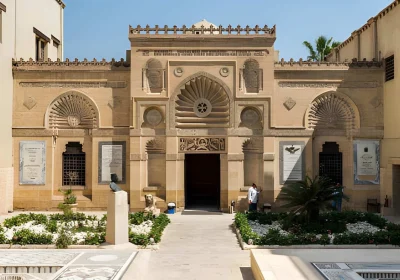
Luxor Museum: Unveiling Egypt's Ancient Treasures on the Banks of the Nile
Luxor, the ancient city once known as Thebes, is a treasure trove of Egyptian history and culture. Among its many wonders, the Luxor Museum stands out as a must-visit destination for travelers looking to delve deep into the heart of Egypt’s pharaonic past. Nestled on the scenic Corniche overlooking the Nile, this museum offers a unique and intimate experience, showcasing some of the most exquisite artifacts ever discovered in the region. Whether you are a history enthusiast, an avid traveler, or simply curious about ancient civilizations, the Luxor Museum promises a journey through time that will leave you inspired and awestruck.
The Story Behind Luxor Museum
Opened in 1975, the Luxor Museum was designed to bridge the gap between the monumental temples and tombs of Luxor and the vast collections of Cairo. Unlike the sprawling and sometimes overwhelming museums in the capital, Luxor Museum takes a more focused approach. Its elegant, modern architecture is purposefully understated, allowing the artifacts themselves to shine. The museum’s collection primarily features objects unearthed in and around Luxor, including items from the famed Valley of the Kings, the Karnak Temple complex, and the tomb of King Tutankhamun.
For those planning to explore more of Egypt’s rich museum culture, the The National Museum Of Egyptian Civilization in Cairo offers a comprehensive overview of the country’s heritage, while the The Grand Egyptian Museum is set to redefine museum experiences with its state-of-the-art displays.
Architectural Elegance and Layout
The museum’s layout is a model of clarity and sophistication. Designed by architect Mahmoud El-Hakim, its two floors are flooded with natural light, creating an inviting atmosphere that encourages unhurried exploration. The displays are carefully curated, with ample space between each artifact, allowing visitors to appreciate the craftsmanship and historical significance without feeling crowded.
Many travelers combine a visit to the Luxor Museum with other local attractions. The Luxor City itself is a living museum, brimming with ancient sites, vibrant markets, and riverside promenades that make every stroll a discovery.
Highlights of the Collection
The Luxor Museum is renowned for its exceptional artifacts, many of which are masterpieces of ancient Egyptian art. Among the most celebrated pieces is the statue of Thutmose III, displayed with dramatic lighting that brings the pharaoh’s features to life. The museum also houses a remarkable collection of items from the tomb of Tutankhamun, including weapons, ceremonial objects, and personal belongings that offer a glimpse into the life of Egypt’s most famous boy king.
Another highlight is the cache of statues discovered in the Luxor Temple in 1989. These statues, buried for centuries, are displayed with minimal restoration, allowing visitors to marvel at their original beauty. For those fascinated by temple architecture, a visit to the Luxor Temple is an essential complement to the museum experience.
The Royal Mummies and the New Kingdom Gallery
One of the museum’s most compelling exhibits is the Royal Mummies Hall, which features two mummies from the 18th dynasty: Ahmose I and Ramesses I. Displayed in a climate-controlled environment, these mummies are accompanied by detailed information about their reigns and discoveries. The New Kingdom Gallery, meanwhile, showcases the golden age of Egyptian civilization, with artifacts ranging from chariots and weaponry to jewelry and religious items.
If you’re curious about the broader context of Egypt’s royal history and its connection to the pyramids, the article Why Did The Egyptians Build Pyramids provides fascinating insights into the motivations behind these monumental structures.
Practical Information: Hours, Tickets, and Tips
The Luxor Museum is open daily, with extended evening hours that allow visitors to enjoy the exhibits in a tranquil setting. Tickets can be purchased at the entrance, and it is advisable to arrive early in the morning or later in the evening to avoid peak crowds. Photography is permitted in most areas, but flash is not allowed to protect the delicate artifacts.
For travelers interested in maximizing their Egyptian adventure, curated itineraries like the 06 Days Cairo to Luxor Tour provide seamless access to the museum and other iconic sites, ensuring a well-rounded and memorable journey.
Combining Your Museum Visit with a Nile Cruise
One of the most enchanting ways to experience Luxor is by combining a museum visit with a Nile cruise. The river has been Egypt’s lifeblood for millennia, and cruising its waters offers a unique perspective on the country’s ancient landscapes and monuments. Many cruises include guided tours of the Luxor Museum, providing historical context and expert commentary.
For an in-depth comparison of cruise routes, check out The Best Nile Cruise Routes: Luxor to Aswan vs. Aswan to Luxor. If you’re ready to set sail, the 5-Day Nile Cruise Itinerary (Luxor to Aswan) is a popular choice among travelers seeking a blend of relaxation and discovery.
To explore more cruise options, visit the Best Nile River Cruises category for handpicked recommendations tailored to every style and budget.
Luxor Museum for Families and Educational Visits
The Luxor Museum is not just for scholars and history buffs; it’s an engaging destination for families and educational groups as well. Interactive displays, clear signage in multiple languages, and knowledgeable guides make the museum accessible to visitors of all ages. Children are often captivated by the stories of ancient pharaohs and the hands-on exhibits that encourage curiosity and learning.
For those plotting a family-friendly itinerary across Egypt, the How To Plan A Trip To Egypt blog offers practical advice on making the most of your time, including tips for visiting museums and historical sites with kids.
To ensure a seamless experience, consider booking comprehensive vacation packages like Egypt Highlights: Cairo, Luxor, Aswan & Kom Ombo – 7 Days, which include guided museum tours and family-friendly activities.
Exploring More: Day Trips and Themed Tours
Luxor’s central location makes it an ideal base for day trips and themed excursions. After exploring the museum, many visitors opt for guided tours to nearby temples, tombs, and archaeological sites. These tours often provide behind-the-scenes access and expert insights that enrich the museum experience.
If your travels take you to Cairo, don’t miss the Cairo Day Trip: Pyramids of Giza, Sphinx & Grand Egyptian Museum, which pairs perfectly with the treasures of Luxor for a comprehensive exploration of Egypt’s ancient wonders.
For those seeking inspiration for their travel plans, the Cairo Itinerary Breakdown blog offers detailed suggestions for combining museum visits with other iconic experiences.
Travel Packages and Planning Resources
Planning a trip to Luxor and its museum can be overwhelming given the wealth of historical sites and cultural experiences on offer. Fortunately, there are curated travel packages that streamline the process, ensuring you don’t miss any highlights. Packages such as those found in the All Egypt Packages category offer flexible options for solo travelers, couples, and families alike.
To make the most of your time in Egypt, consider combining your museum visit with other top attractions across the country. This approach not only maximizes your exposure to Egypt’s diverse history but also provides logistical ease and expert guidance throughout your journey.
Preserving Egypt’s Heritage: The Role of Luxor Museum
Beyond its role as a tourist attraction, the Luxor Museum plays a vital part in preserving Egypt’s archaeological heritage. The museum collaborates with international institutions and local authorities to conserve artifacts, conduct research, and promote cultural tourism. Its educational programs and temporary exhibitions ensure that both locals and visitors remain engaged with Egypt’s ongoing story.
For a deeper understanding of how museums contribute to heritage preservation, visiting both Luxor Museum and its counterparts in Cairo provides invaluable context. Each institution offers a unique perspective on the challenges and triumphs of safeguarding ancient treasures for future generations.
Frequently Asked Questions
What are the opening hours of Luxor Museum?
The Luxor Museum is typically open from 9:00 AM to 9:00 PM daily, but hours may vary during holidays or special events. It’s best to check locally or with your tour operator before your visit.
How much time should I allocate for a visit?
Most visitors spend 1.5 to 2 hours exploring the museum’s exhibits. If you are particularly interested in ancient Egyptian art and history, you may wish to stay longer to fully appreciate the collection.
Is photography allowed inside the museum?
Yes, photography is generally permitted, but flash is not allowed to protect the artifacts. Check for any specific restrictions at the entrance or with museum staff.
Can I combine a visit to Luxor Museum with a Nile cruise?
Absolutely! Many Nile cruises include guided tours of the Luxor Museum in their itineraries. For more details on cruise options, visit the Best Nile River Cruises category.
Are there guided tours available at the museum?
Yes, guided tours are available in several languages. These tours provide valuable context and insights into the artifacts and the history of Luxor.
What other attractions should I visit while in Luxor?
In addition to the museum, don’t miss the Luxor Temple, the Valley of the Kings, and the vibrant local markets. Luxor is a gateway to some of Egypt’s most iconic sites, making it an essential stop on any Egyptian adventure.