What To Do In Alexandria? An Essential Guide to Egypt’s Mediterranean Gem
Alexandria, Egypt’s second-largest city, is a captivating blend of ancient wonders, vibrant culture, and scenic Mediterranean beauty. Founded by Alexander the Great in 331 BC, this legendary port city has long been a crossroads of civilizations. Today, Alexandria invites travelers to explore its rich heritage, stroll along its breezy Corniche, and savor its unique blend of antiquity and modernity. Whether you’re a history buff, a foodie, or simply seeking a seaside escape, Alexandria offers a wealth of unforgettable experiences. Here’s your comprehensive guide to the best things to do in Alexandria.
Step Back in Time at the Bibliotheca Alexandrina
No trip to Alexandria is complete without a visit to the Bibliotheca Alexandrina, the city’s stunning modern library and cultural center. Inspired by the legendary Library of Alexandria, this architectural marvel houses millions of books in multiple languages, as well as museums, art galleries, and a planetarium. Wander through the vast reading halls, admire the striking granite walls inscribed with scripts from around the world, and explore rotating exhibitions on science, art, and history. The library is more than just a repository of knowledge—it’s a living tribute to Alexandria’s status as a beacon of learning throughout the ages. Guided tours are available, and the library often hosts lectures, workshops, and cultural events that are open to the public.
Marvel at the Citadel of Qaitbay
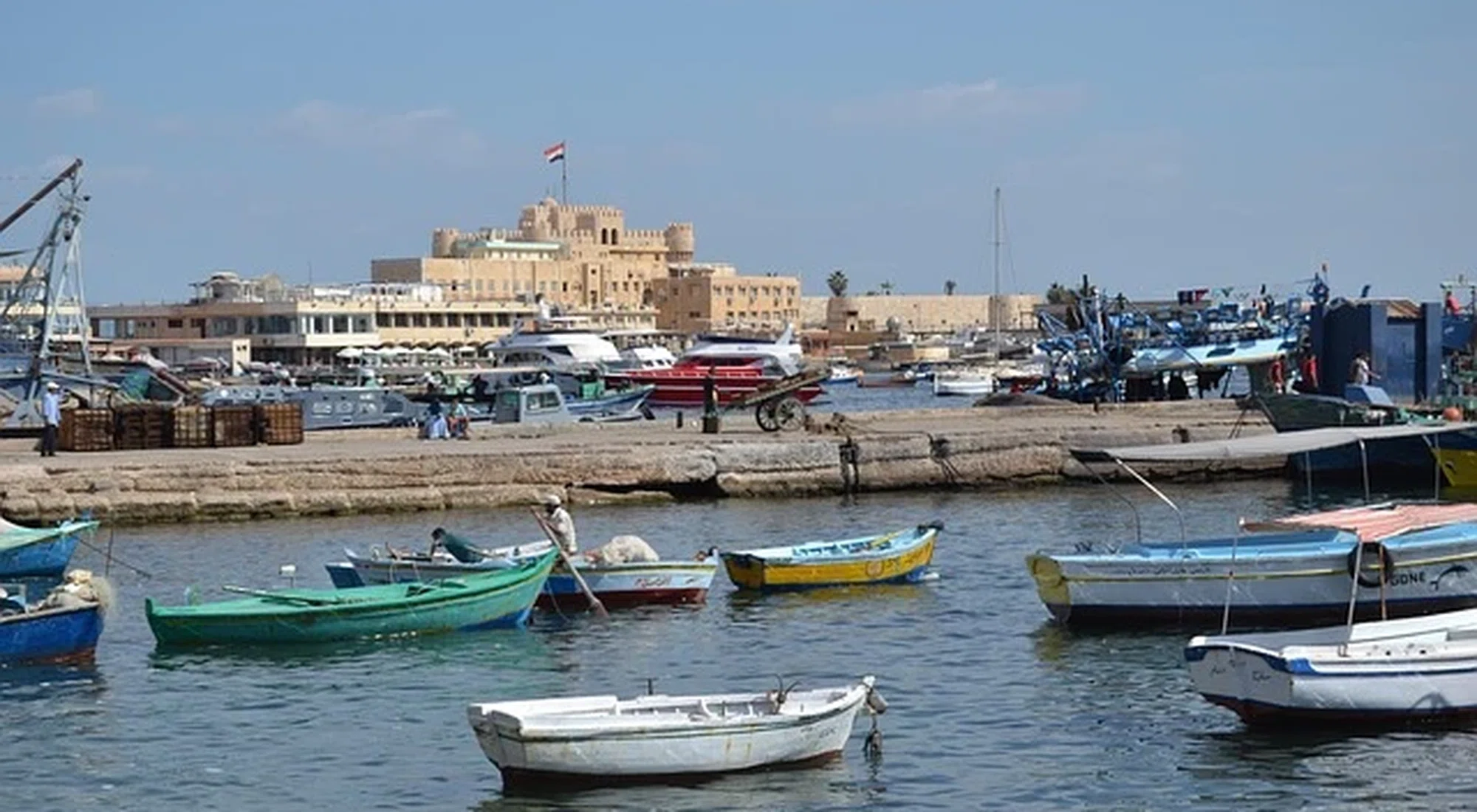
Perched dramatically at the tip of the eastern harbor, the Citadel of Qaitbay is one of Alexandria’s most iconic landmarks. Built in the 15th century on the site of the ancient Pharos Lighthouse—one of the Seven Wonders of the Ancient World—the fortress was designed to defend the city from invading forces. Today, the citadel’s robust stone walls and towers offer panoramic views of the Mediterranean Sea and the bustling port. Inside, visitors can explore the fortress’s maze of corridors, climb to the upper ramparts, and learn about Alexandria’s maritime history. The site is especially atmospheric at sunset, when the golden light bathes the ancient stones and fishing boats bob in the harbor below.
Discover Ancient Mysteries at the Catacombs of Kom El Shoqafa
Hidden beneath the streets of Alexandria lies the Catacombs of Kom El Shoqafa, an extraordinary blend of Egyptian, Greek, and Roman funerary art. Dating back to the 2nd century AD, these multi-level tombs were accidentally discovered in 1900 and remain one of the largest Roman burial sites in Egypt. Descend the spiral staircase into the cool, subterranean chambers adorned with intricate carvings and statues. The fusion of artistic styles—pharaonic motifs alongside Hellenistic and Roman influences—offers a fascinating glimpse into Alexandria’s cosmopolitan past. Don’t miss the Hall of Caracalla, where the remains of humans and horses were found, or the central rotunda, which features remarkable sculptural details.
Stroll the Corniche and Savor the Sea Breeze
Alexandria’s Corniche is a picturesque, palm-lined promenade stretching for miles along the Mediterranean coastline. This lively waterfront is the heart of city life, where locals and visitors come to walk, jog, or simply enjoy the salty sea air. Along the way, you’ll encounter charming cafes, seafood restaurants, and historic buildings with faded Belle Époque facades. The Corniche is an ideal spot for people-watching, especially in the early evening when the city comes alive with families, street vendors, and musicians. For a quintessential Alexandrian experience, stop at one of the seaside kiosks for a cup of strong Turkish coffee or a cone of fresh ice cream. The views of the harbor, dotted with fishing boats and framed by the distant silhouette of the Citadel, are especially enchanting at sunset.
Explore the Roman Amphitheatre and Kom El Dikka
History lovers will be fascinated by the Roman Amphitheatre at Kom El Dikka, a remarkable archaeological site in the heart of Alexandria. Discovered in the 1960s, this well-preserved amphitheater dates back to the 2nd century AD and once hosted musical performances, lectures, and public gatherings. The site also includes Roman baths, mosaic-floored villas, and a network of ancient streets. Wander among the marble seats of the amphitheater, which could accommodate up to 800 spectators, and imagine the lively debates and performances that once echoed here. Kom El Dikka offers a unique window into everyday life in Roman Alexandria, and ongoing excavations continue to reveal new discoveries. Interpretive panels and guided tours help bring the site’s history to life for visitors.
Admire the Art and Architecture of the Alexandria National Museum
For a deeper understanding of Alexandria’s storied past, head to the Alexandria National Museum. Housed in a beautifully restored Italianate mansion, the museum’s collections span ancient Egypt, the Greco-Roman period, Coptic and Islamic eras, and the modern age. Highlights include exquisite jewelry, statuary, and artifacts recovered from underwater excavations in Alexandria’s harbor. The museum’s chronological layout makes it easy to follow the city’s evolution from a pharaonic outpost to a cosmopolitan metropolis. Don’t miss the fascinating displays on the city’s lost wonders, including the Pharos Lighthouse and the ancient Library. The museum also provides insight into Alexandria’s multicultural heritage, with sections devoted to its Jewish, Greek, and Armenian communities.
Relax in the Montaza Palace Gardens
Escape the city bustle at the lush Montaza Palace Gardens, a sprawling parkland on Alexandria’s eastern edge. Once the summer retreat of Egypt’s royal family, Montaza blends Moorish and Florentine architectural styles in its elegant palace buildings. The beautifully landscaped gardens are dotted with palm trees, flower beds, and walking paths that wind down to the sea. Visitors can stroll through the gardens, enjoy a picnic on the lawns, or rent a bicycle to explore the grounds. The Montaza complex also features private beaches and a picturesque bridge leading to a small island. Although the palace itself is not open to the public, the gardens offer a tranquil oasis and some of the best views of the Mediterranean coast.
Sample Alexandria’s Legendary Seafood
No visit to Alexandria is complete without indulging in its renowned seafood cuisine. Thanks to its prime coastal location, the city boasts a bounty of fresh fish and shellfish, prepared with distinctive Mediterranean flavors. Head to one of the bustling seafood restaurants along the harbor or in the Anfoushi district, where you can choose your catch from the day’s haul and have it grilled, fried, or baked to perfection. Popular dishes include sayadeya (fish cooked with rice and spices), calamari, and shrimp tagine. For a true local experience, try street food classics like ful medames (stewed fava beans) or taameya (Egyptian falafel) at a traditional eatery. Many restaurants offer outdoor seating with sweeping sea views, making for a memorable dining experience as the sun sets over the Mediterranean.
Shop for Unique Souvenirs at Alexandria’s Markets
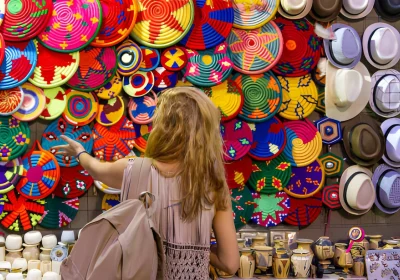
Alexandria’s bustling markets are a delight for shoppers and culture seekers alike. Wander through the winding lanes of Souq El-Attarine, a vibrant bazaar near the city center, where you’ll find everything from aromatic spices and perfumes to antique trinkets and handmade jewelry. The market’s lively atmosphere is a sensory feast, with vendors calling out their wares and the scent of fresh herbs filling the air. For more modern shopping, head to the San Stefano Grand Plaza, a sleek mall with international brands, cafes, and a cinema. Don’t forget to pick up some traditional Alexandrian sweets, such as konafa or basbousa, as delicious souvenirs for friends and family back home.
Frequently Asked Questions
What is the best time of year to visit Alexandria?
The best time to visit Alexandria is during the spring (March to May) and autumn (September to November) when temperatures are mild and the city is less crowded. Summers can be hot and humid, while winters are cooler but still pleasant for sightseeing.
How many days should I spend in Alexandria?
Most travelers find that two to three days are sufficient to explore Alexandria’s main attractions, enjoy the seaside atmosphere, and sample local cuisine. However, history enthusiasts may wish to stay longer to delve deeper into the city’s rich heritage.
Is Alexandria safe for tourists?
Alexandria is generally considered safe for tourists. Like any large city, it’s important to take standard precautions such as avoiding isolated areas at night and keeping an eye on personal belongings. The main tourist sites are well-patrolled and welcoming to visitors.
Can I visit the original site of the ancient Library of Alexandria?
The exact location of the ancient Library of Alexandria is not known, as it was destroyed centuries ago and no physical remains have been found. However, the Bibliotheca Alexandrina stands as a modern tribute to the legendary library and is a must-visit cultural landmark.
What are the transportation options within Alexandria?
Alexandria has a network of trams, buses, and taxis that make it easy to get around the city. The Corniche is ideal for walking, and many attractions are within a short taxi ride of each other. Ride-hailing apps like Uber and Careem are also available.
Are there any beaches open to the public in Alexandria?
Yes, Alexandria has several public beaches, especially in the eastern districts such as Montaza and Maamoura. While some beaches are private and require an entrance fee, there are plenty of accessible spots where you can swim, sunbathe, or relax by the sea.